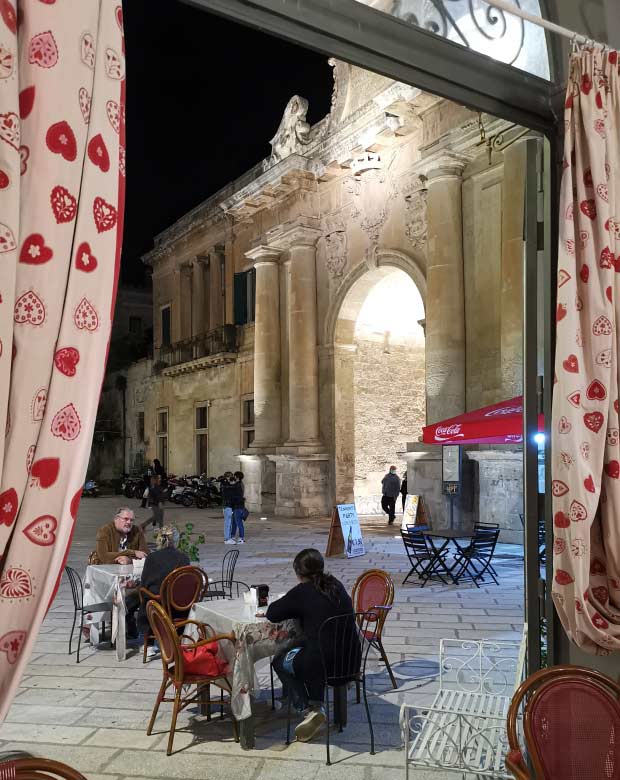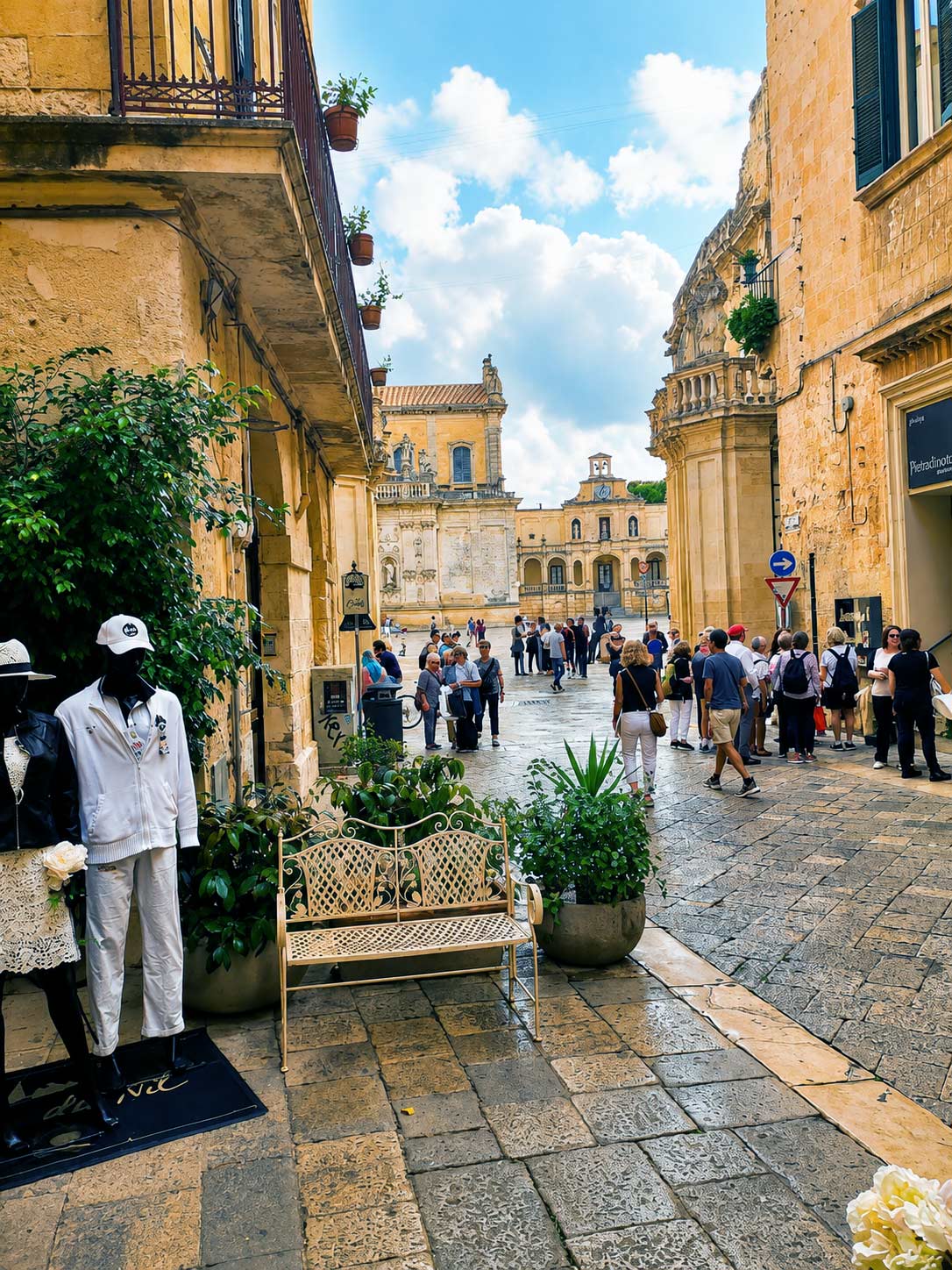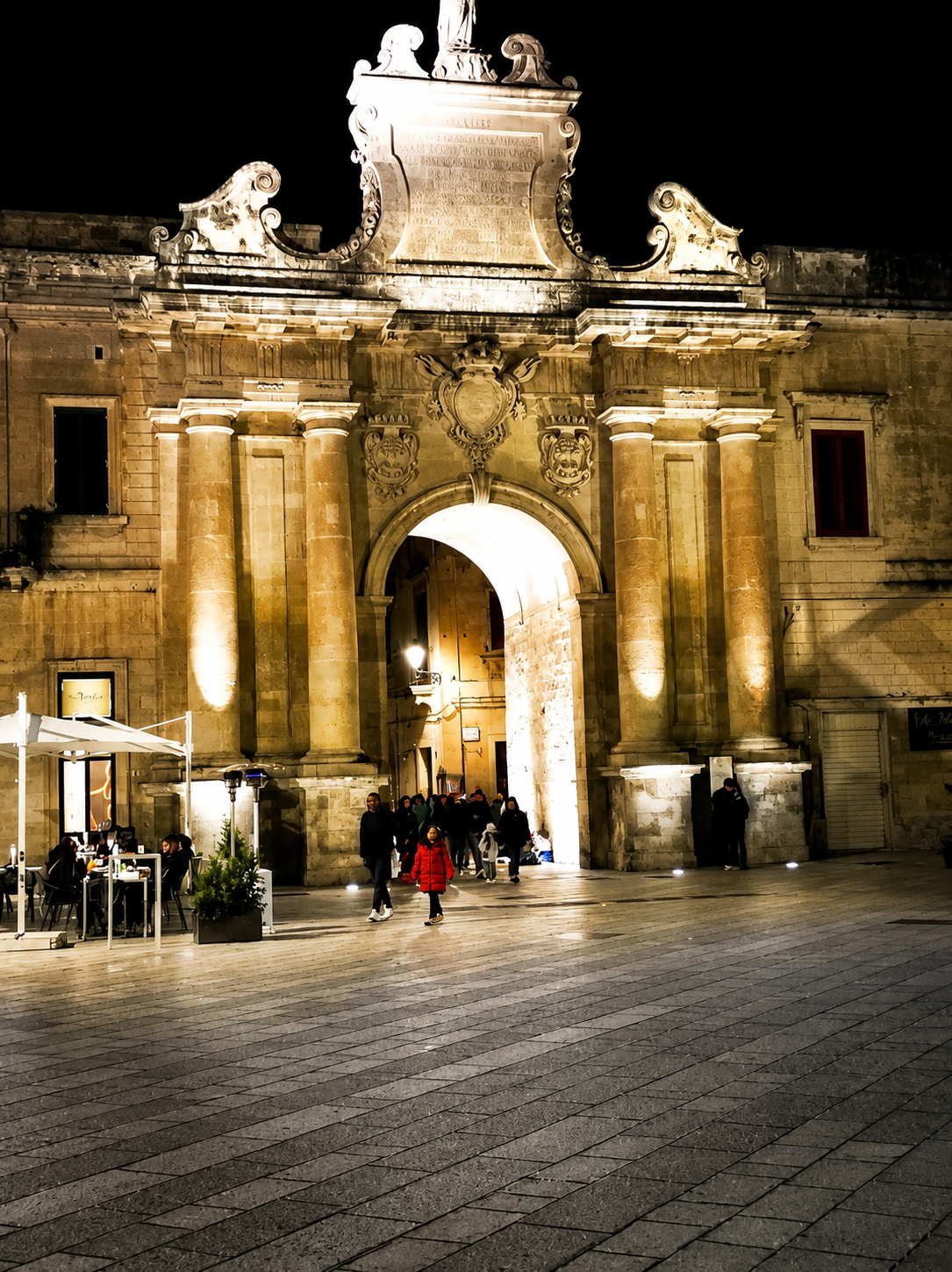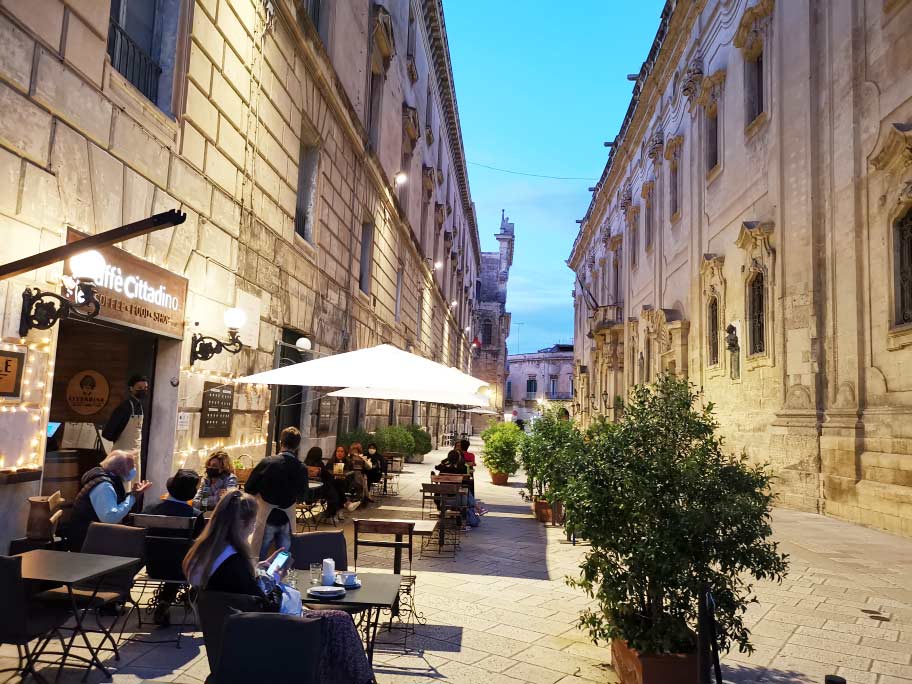


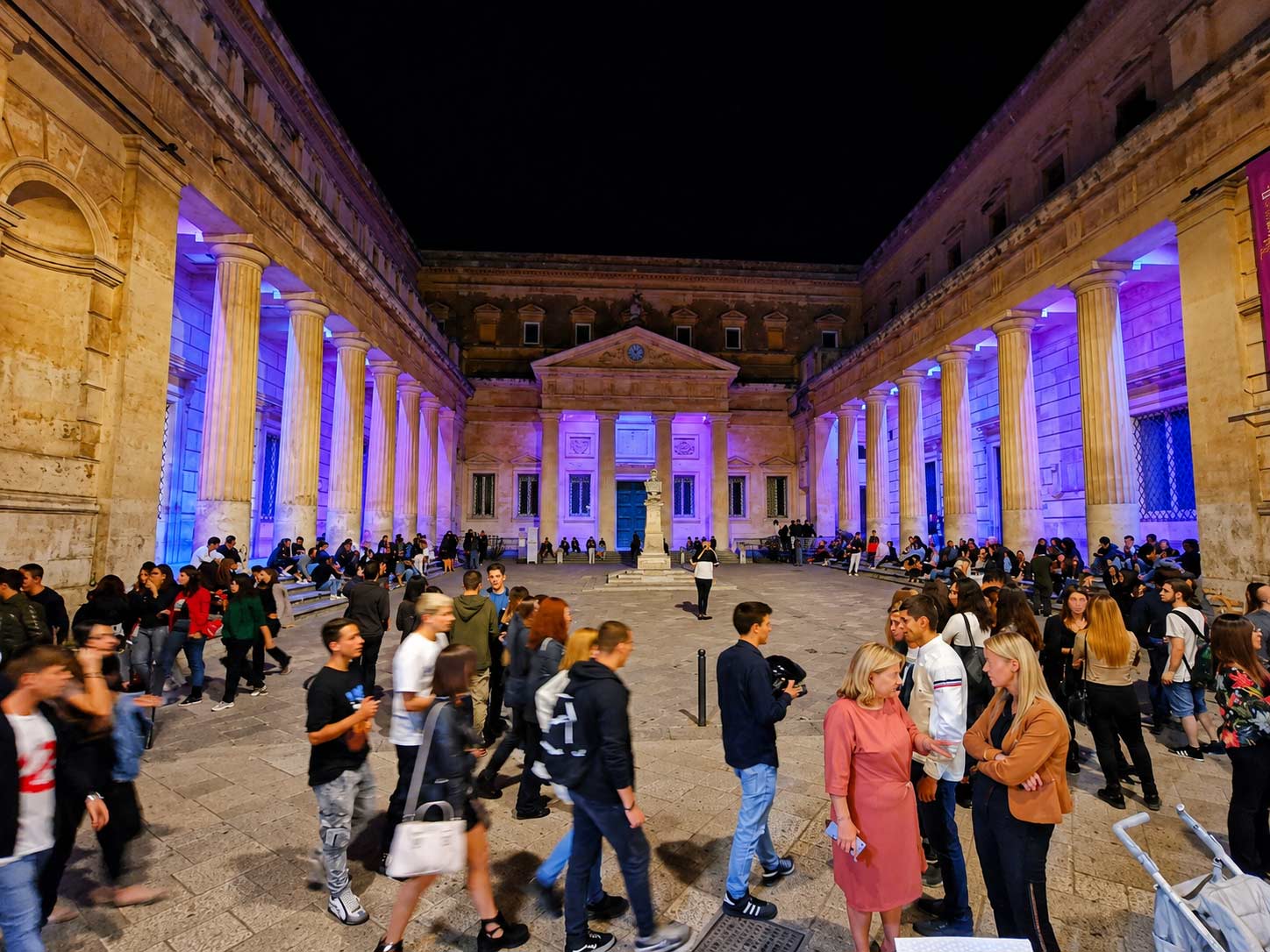


In July 2026 the Salento press once again celebrated a showcase it now knows well: the New York Times flagged Lecce to its readers in the Travel section, with a relaunch across the paper's social channels as well. The Quotidiano di Puglia picked up the news, leading on the New York paper's invitation to discover the Salento city in thirty-six hours, among "centuries-old buildings, sun-drenched squares, luxury palaces", and stressed the weight of the echo chamber: the post devoted to the Salento capital on the paper's Instagram profile and on its travel page, followed by more than 1.8 million people.
This is not an isolated episode. It is rather the latest chapter of an editorial relationship lasting more than a decade, one that has done more than many promotional campaigns to build, in the United States, the image of Lecce as a cultured, gastronomic destination still perceived as authentic. It is worth reconstructing stage by stage, with the sources to hand.
The founding text is the feature by Seth Sherwood, published online and appearing in the print edition of 11 August 2013 of the New York edition, under the title 36 Hours: Lecce, Italy. The photographs were by Gianni Cipriano.
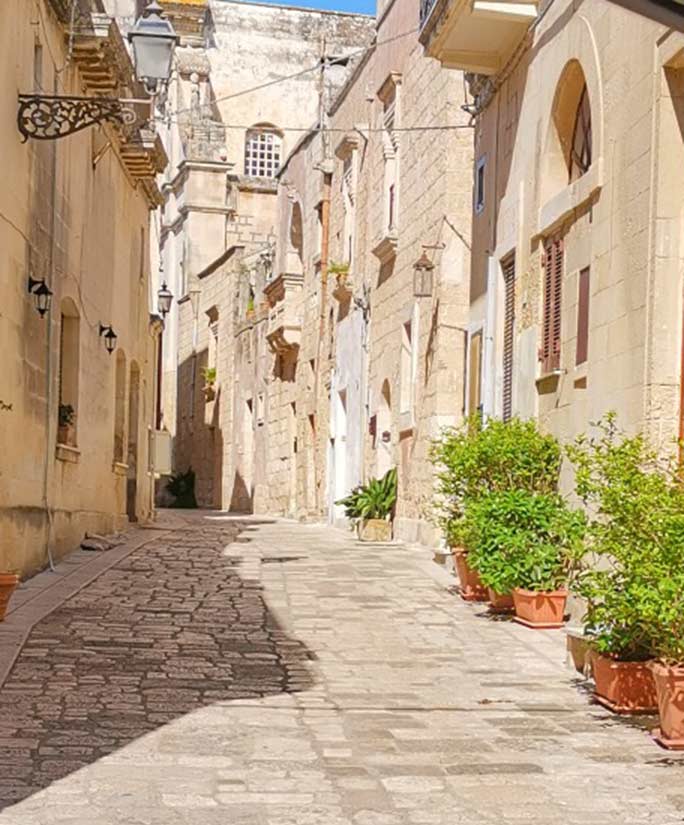
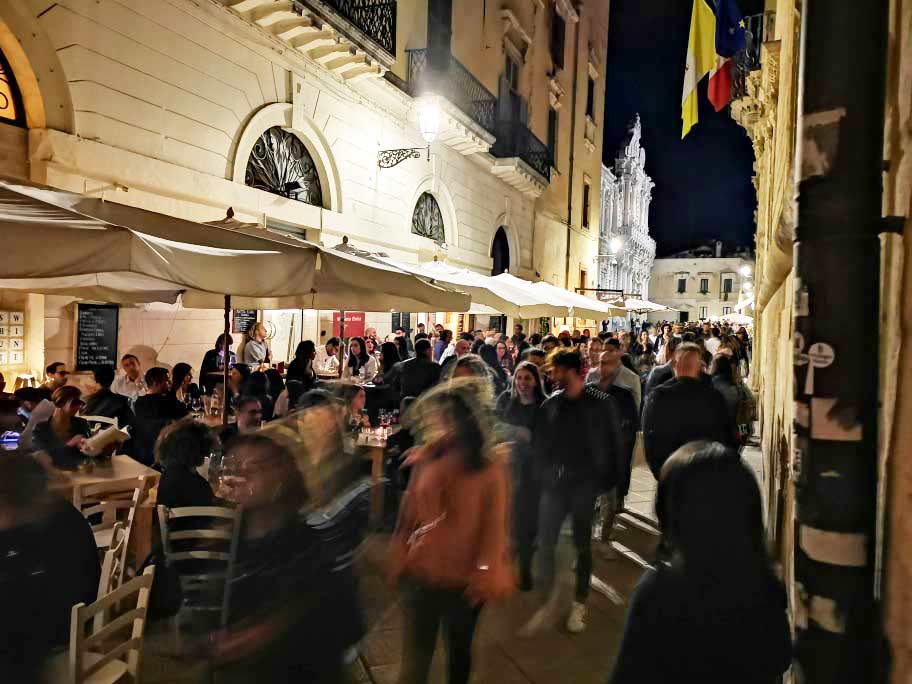
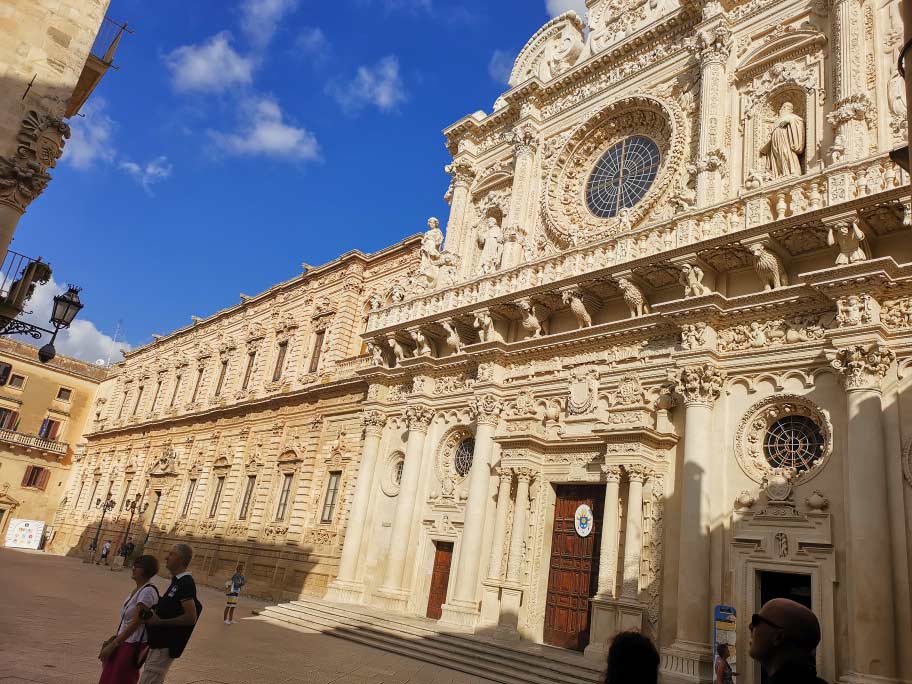
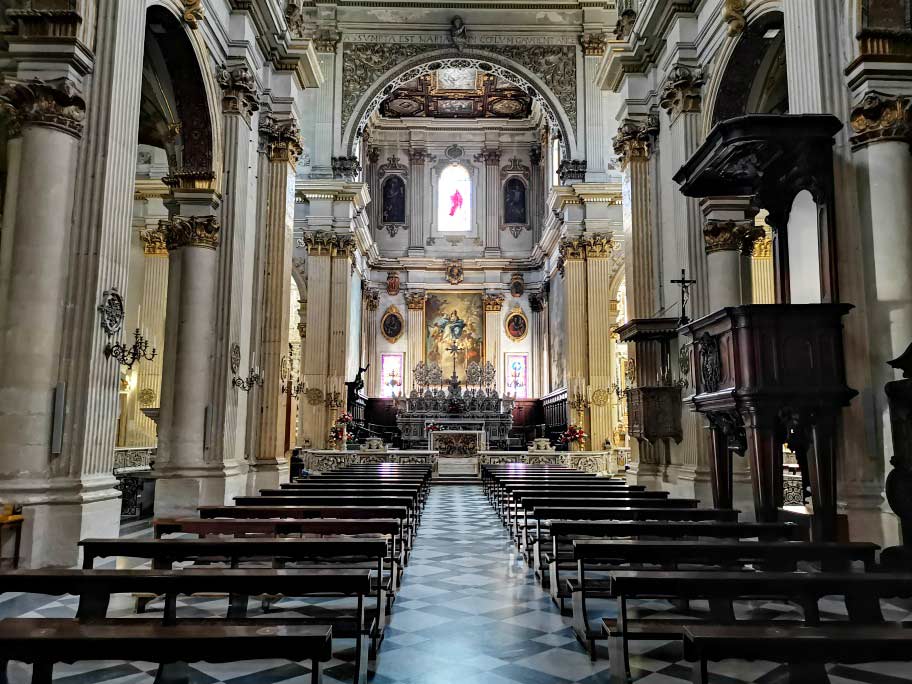
It is there that the formula destined to make its fortune appears, in English and for a mass audience: the "Florence of the South". Sherwood describes a city where dozens of mostly baroque churches crowd into a maze of narrow streets, with carved façades and interiors peopled by angels, cherubs, saints and Madonnas. But the angle is not devotional: the feature dwells on the contrast between the sacred and the hedonistic vocation, presenting Lecce as capital of southern cooking, with its cucina povera restaurants, Puglia's robust red wines, a lively night scene and beaches a short distance away. A city, he writes, suited to men of faith and hedonists alike.
The visibility breakthrough came on 14 April 2015, when the New York Times gave the city not the travel section but the front page, with an article by Jim Yardley headlined Centuries of Italian History Are Unearthed in Quest to Fix Toilet.
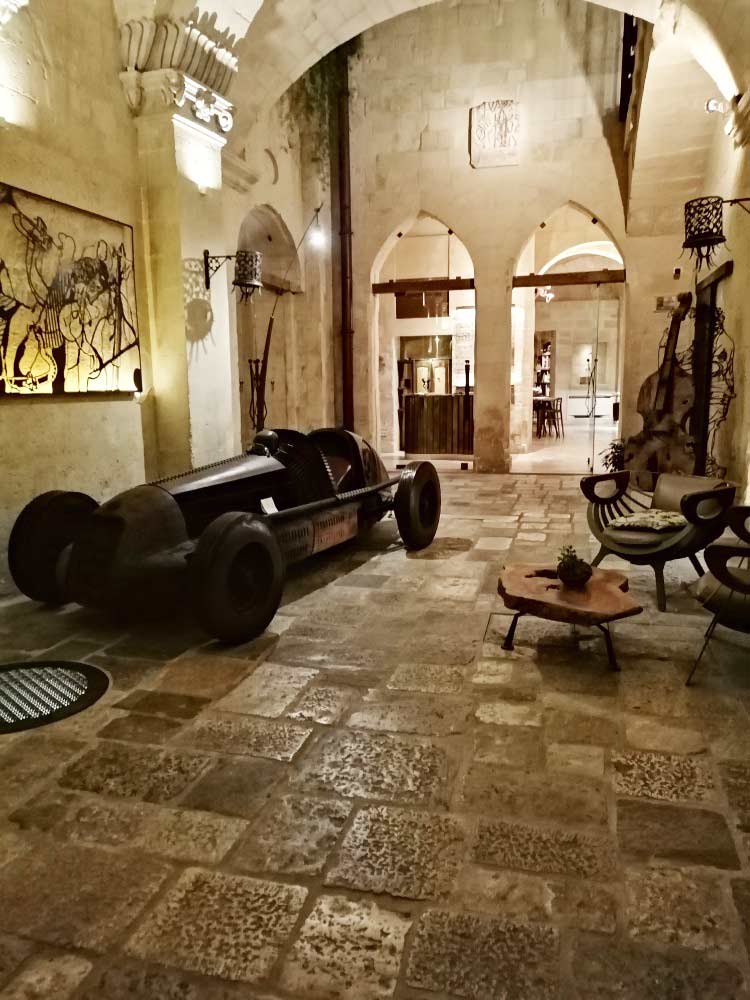
It is the story of Luciano Faggiano, who in 2000 bought the building at 56 via Ascanio Grandi to open a trattoria and found himself dealing with a blocked sewer pipe. With his two elder sons, Marco and Andrea, he began digging, expecting to be done within a week. Beneath the floor, however, buried corridors and rooms emerged: a medieval floor, a Messapian tomb predating the Christian era, a Roman granary, a Franciscan chapel and even carvings attributed to the Templars. The excavations were suspended by the authorities for about a year, then authorised under archaeological supervision, but at the family's expense. In place of the trattoria was born the Museo Faggiano, open to the public since April 2008.
In July 2022 the paper returned to Salento with a feature by journalist Ondine Cohane, accompanied by photographs by Susan Wright, under a title evoking "something in the air" in Italy's Salento.
The piece starts precisely from Lecce and its forty-plus churches: the city, Cohane writes, is at its best in the hour before sunset, when it seems lit from within by a golden light, an effect of the soft pietra leccese, the limestone that makes the carvings almost cinematic. The account continues along the coast, from Castro to Gallipoli, from the Alimini lakes to Punta Prosciutto, by way of Galatina, Nardò, Otranto and Tricase, described as "perhaps the loveliest little town in Salento".
It is in this feature that a theme now central to local debate appears: the masserie bought by foreigners and converted into luxury hotels and resorts, and Puglia's shift, within a decade, from a region unknown to the American public to a coveted destination.
If until yesterday American attention remained largely aspirational, since 2026 there has been infrastructure that makes it operational. On 2 May 2026 the first direct flight from Newark, operated by United Airlines, landed at Bari airport: four weekly frequencies, seasonal service, Boeing 767-300ER.
United is today the only carrier offering a direct link between Puglia and the United States, within a summer programme providing up to fifteen daily flights from Italy to North America. The mayor of Bari, Vito Leccese, recalled that already in the first months of 2026, with no direct flights, 2.7% of travellers staying overnight in Bari came from the United States. The account of the first landing and the report on the inauguration conveyed the image of a bridge awaited for years, while regional operators read the link as a structural rapprochement between Puglia and the United States.
Please note: the direct flight connects Newark to Bari, not to Brindisi, which remains the Salento airport closest to Lecce, about forty minutes away by car. From Bari the Salento capital is reachable in roughly an hour and a half by train. The benefit for Lecce is therefore real but indirect, mediated by the regional airport system.
The lesson of this chronology is that Lecce's international image was not born of a territorial marketing strategy, but of the gaze of foreign journalists who chose the city for its baroque, for its cooking, for a story of domestic excavation that turned epic. The formula "Florence of the South" is an American invention, repeated until it became common sense. Now that the air bridge exists, the challenge for Salento is to govern a flow that, for over ten years, has fed itself almost unaided.