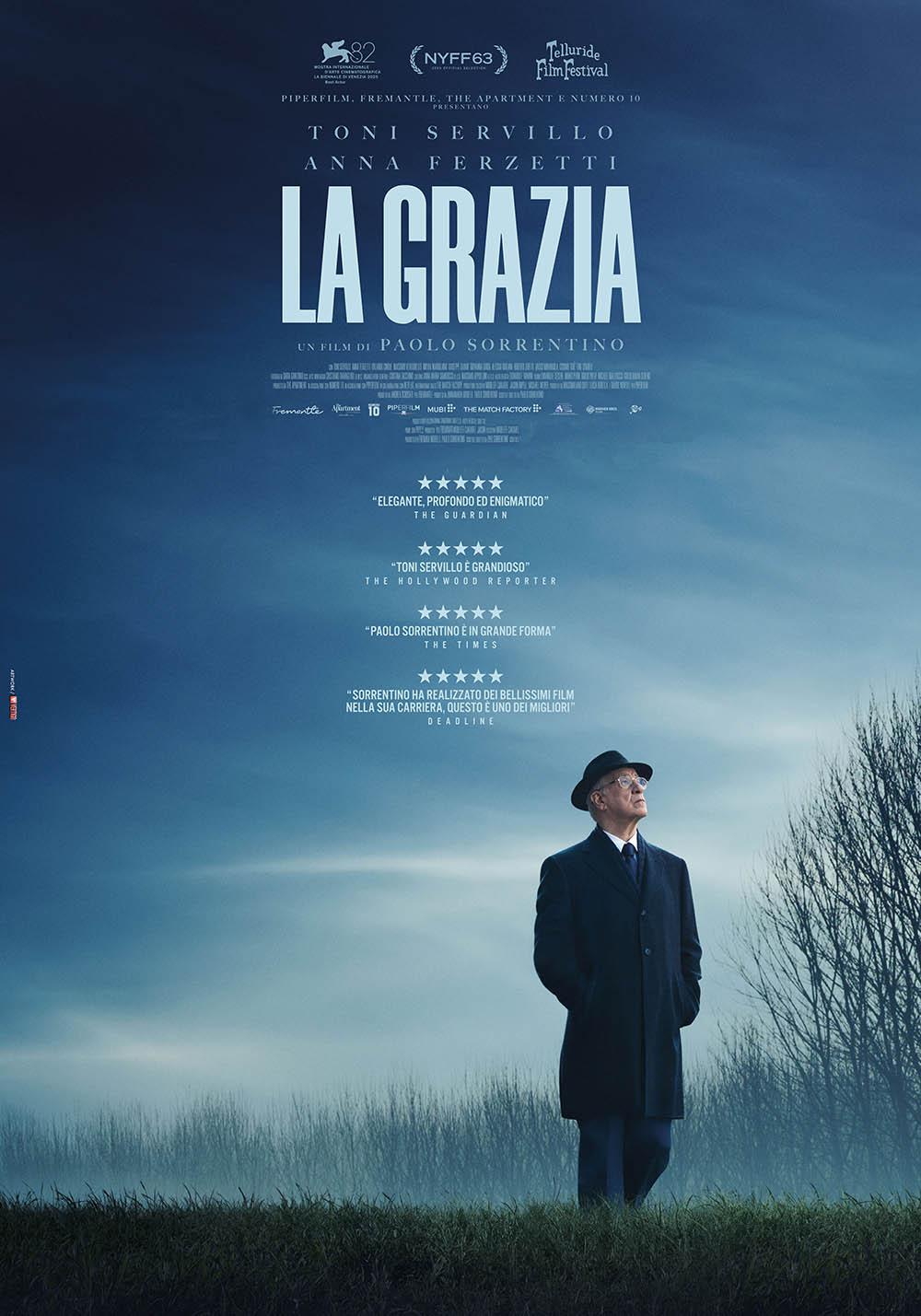




With La Grazia (the pardon), Paolo Sorrentino delivers a work that marks a significant evolution in his cinematic journey, choosing a more essential and reflective narration to address complex and deeply topical themes. After his international successes, the director returns with a film that questions power, conscience and the weight of decisions, building a story that moves between the public dimension and personal intimacy.
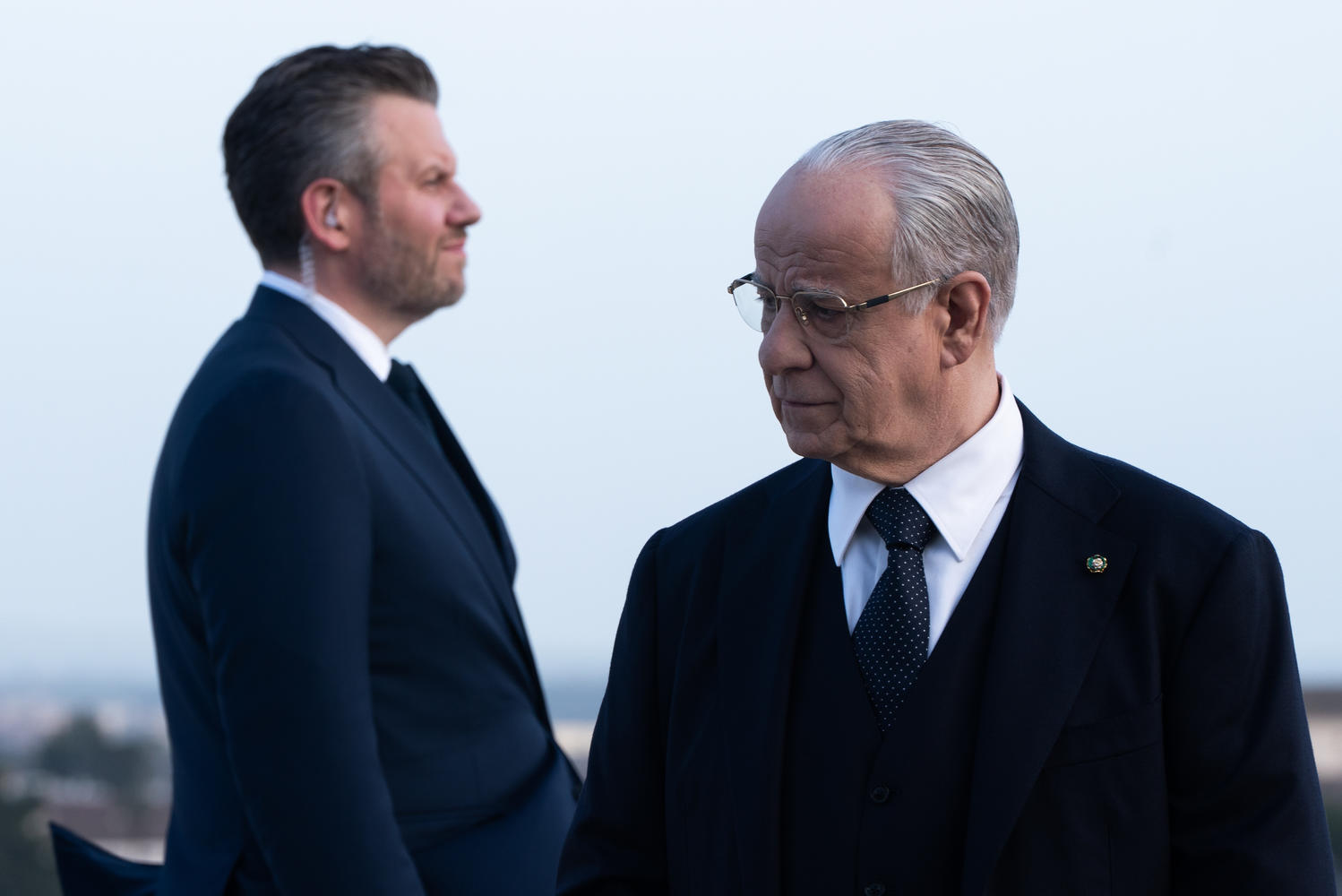
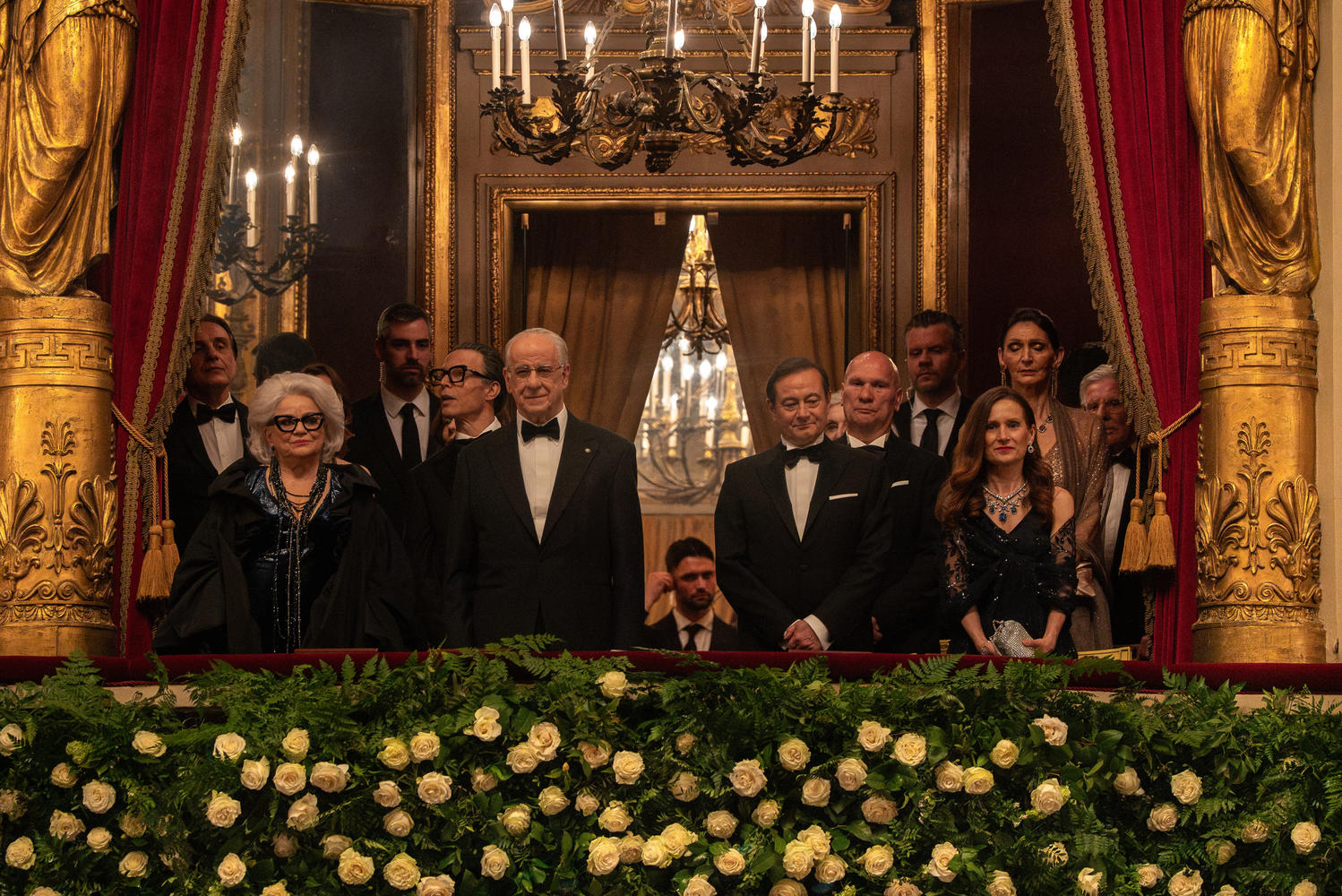
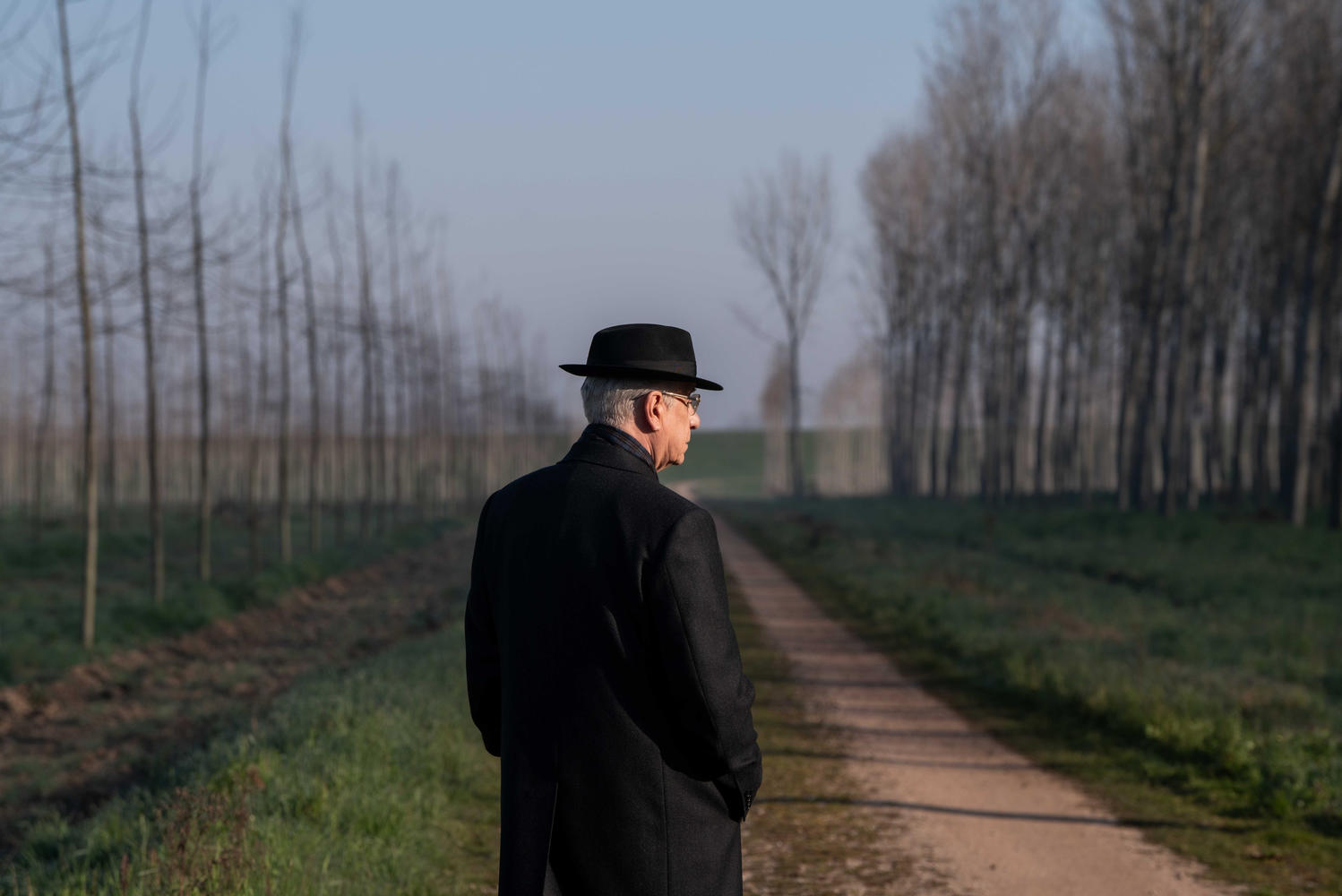
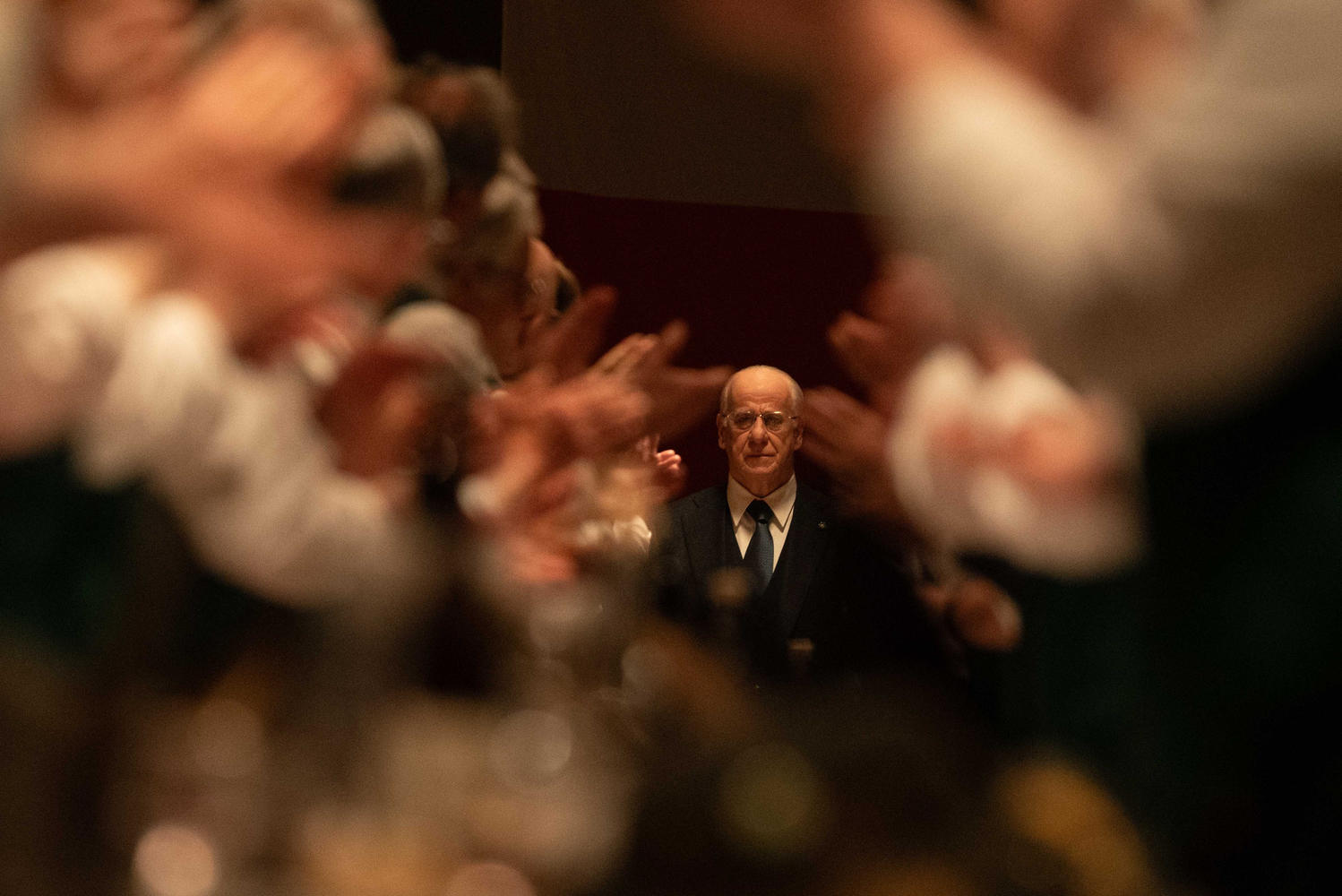
The protagonist is Mariano De Santis, President of the Italian Republic, a man marked by the loss of his wife and by the loneliness that accompanies the highest institutional offices. At the end of his term, he faces decisive choices that put his values to the test: granting a pardon to two convicted men and dealing with a delicate law on end-of-life issues. Two decisions that are not only political but deeply moral, forcing him to confront doubt.
Sorrentino builds a film that shuns any form of spectacle, preferring a sober and controlled tone. Doubt becomes the true narrative core, not as a sign of weakness but as a necessary element for understanding the complexity of reality and fully taking responsibility for one’s actions.
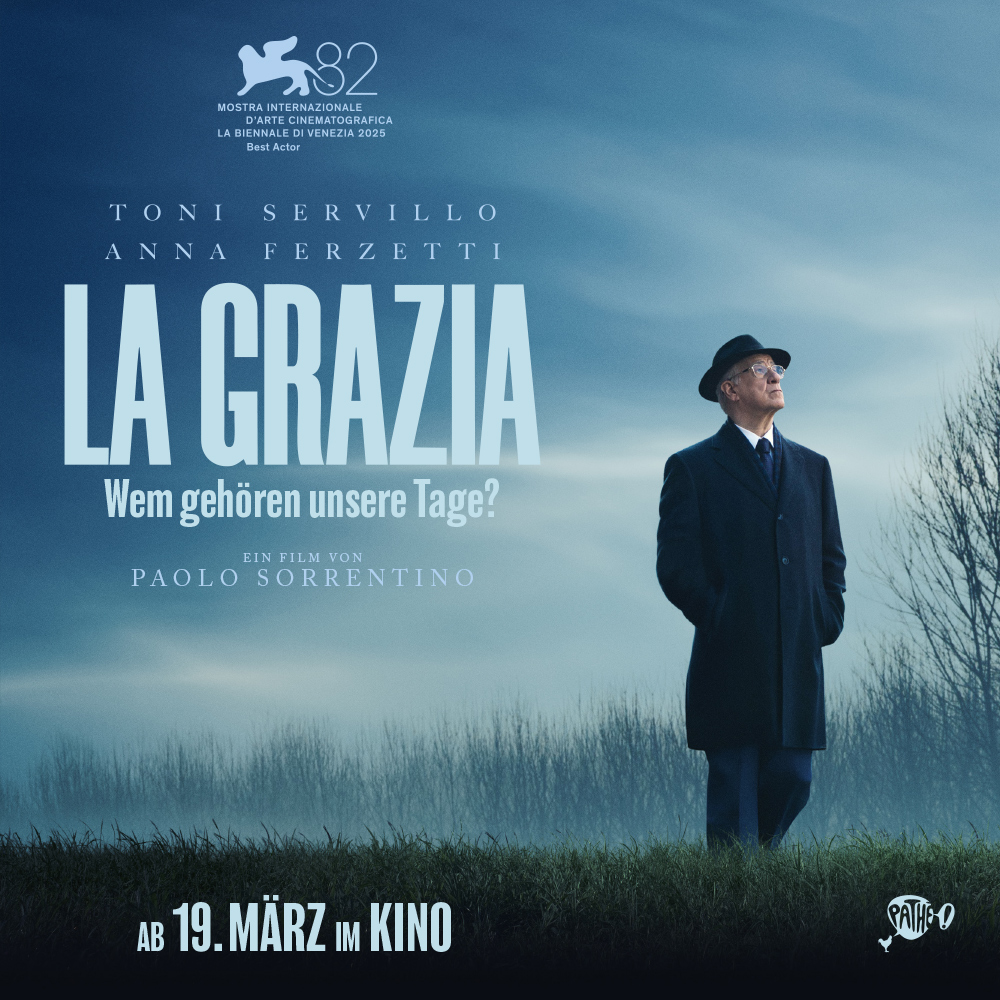
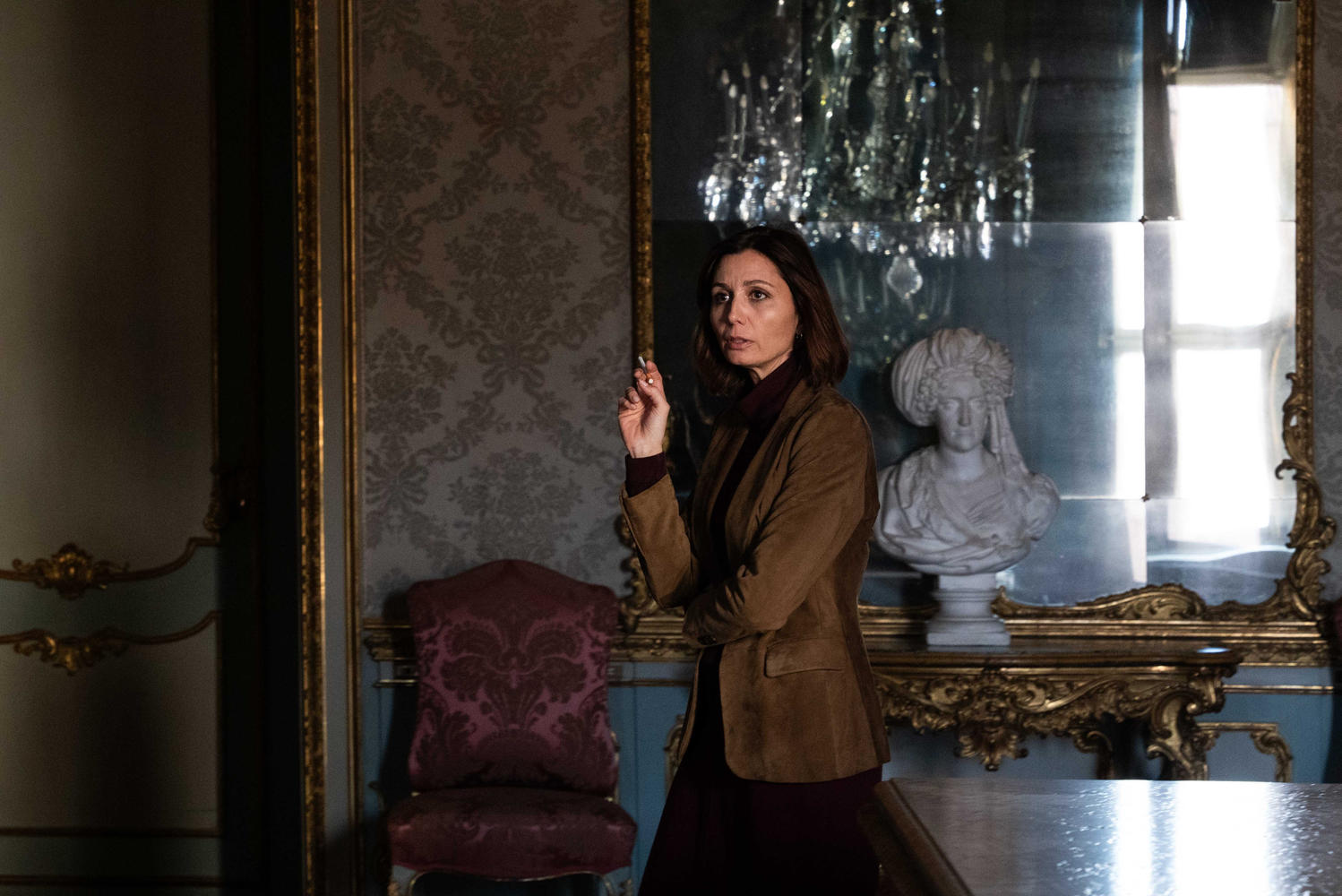
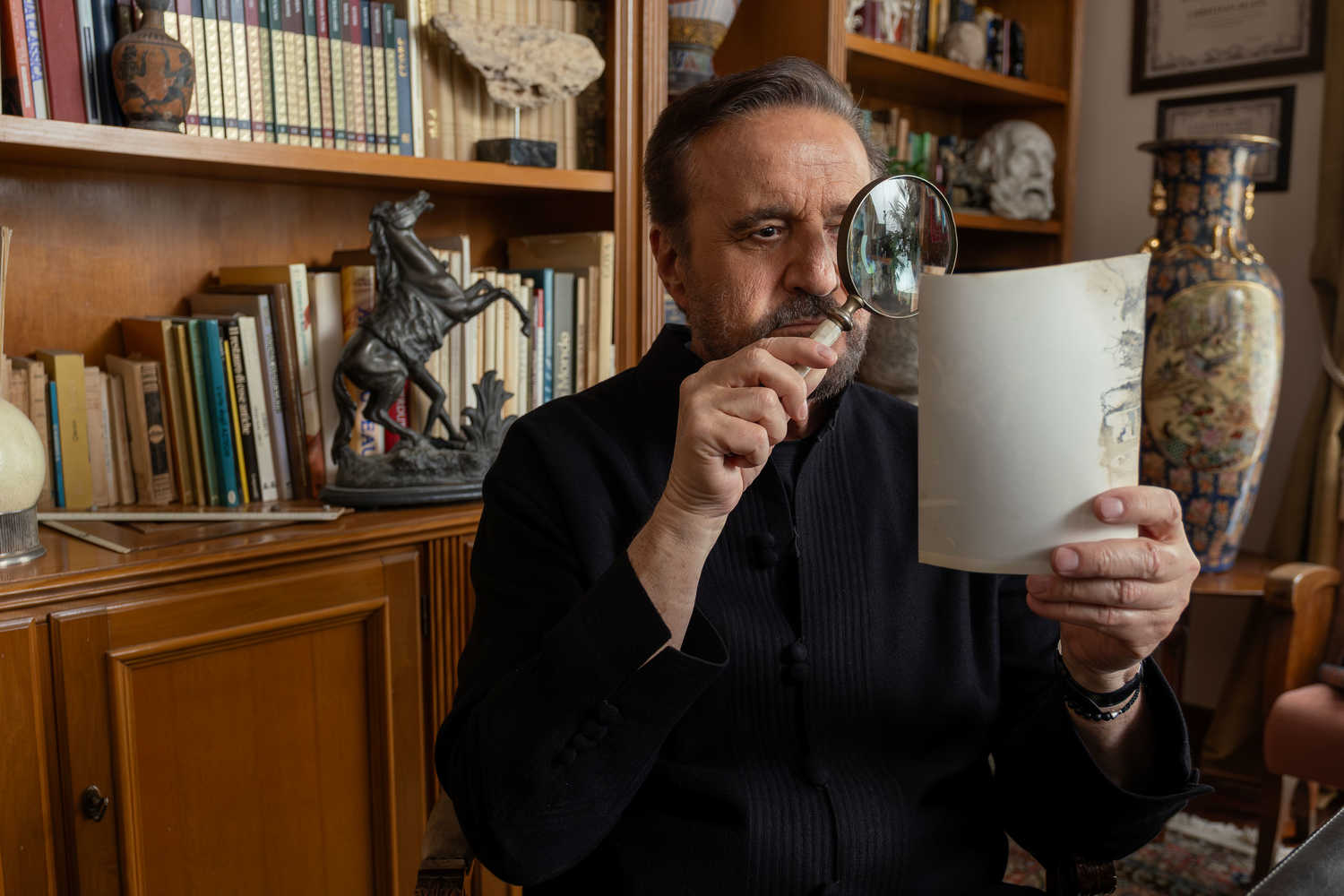
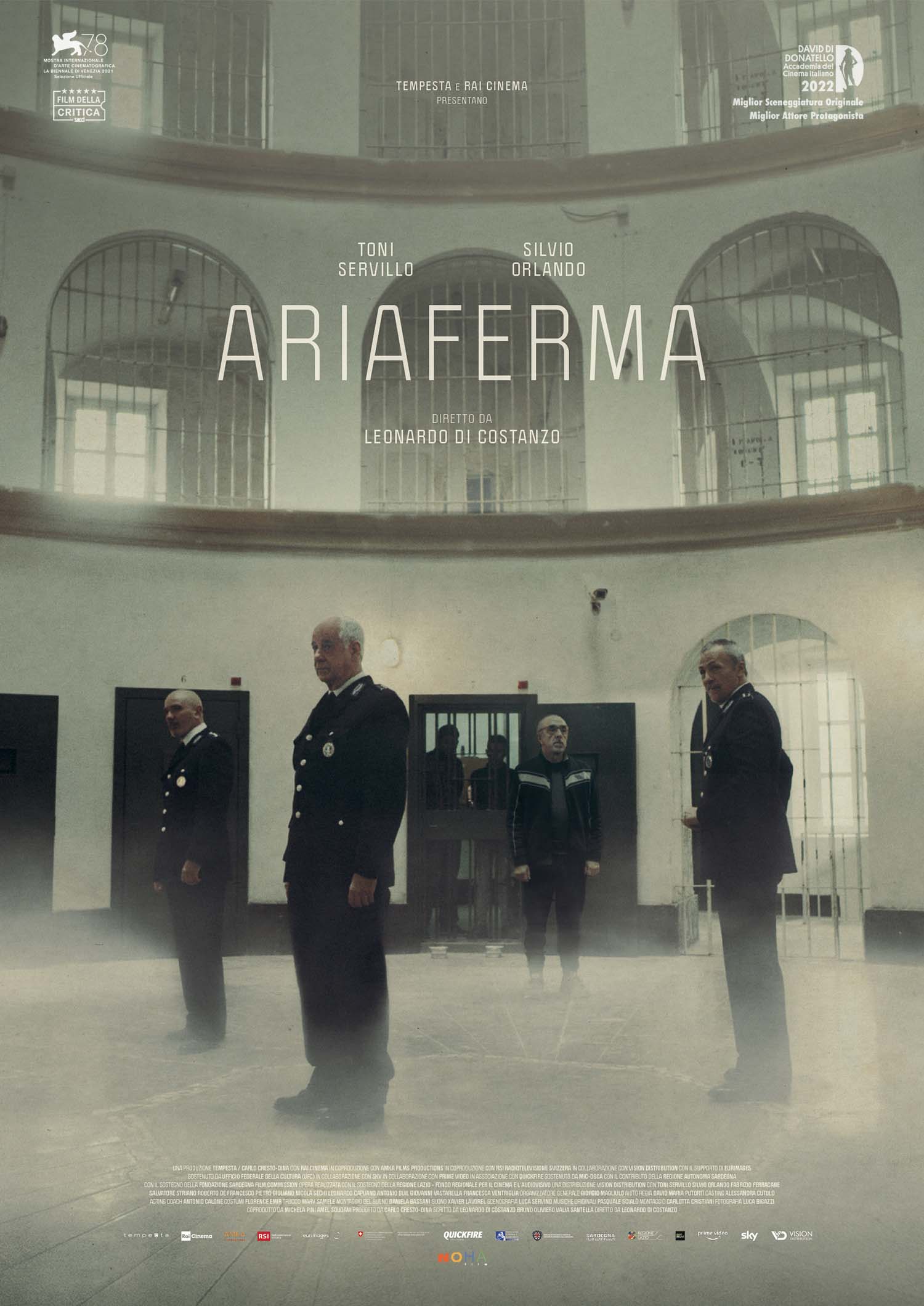
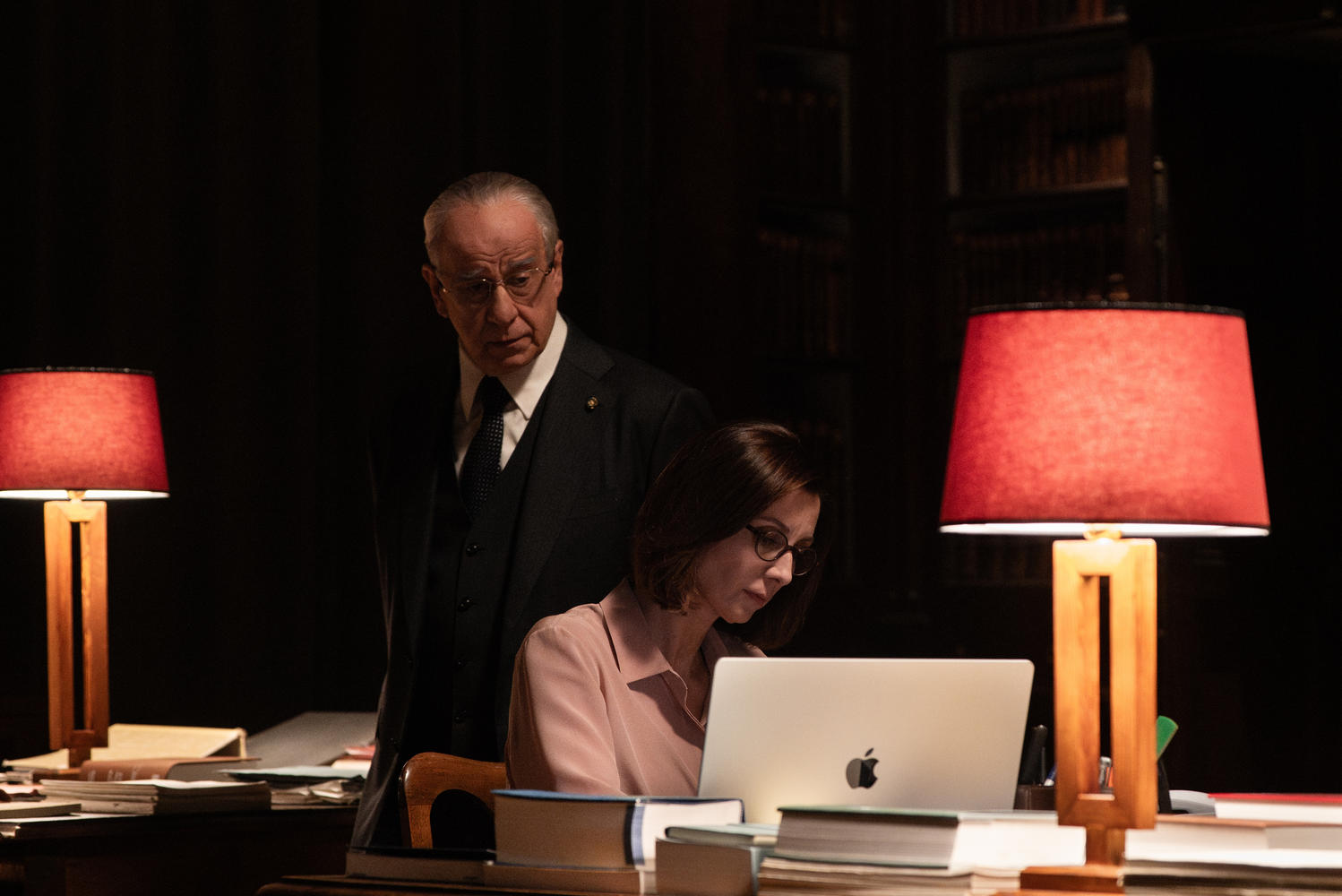
Toni Servillo gives an intense, restrained performance, bringing to life a character who communicates more through silences and glances than through words. His President is a man suspended between power and conscience, capable of expressing deep humanity even in moments of greatest tension. Alongside him, Anna Ferzetti plays his daughter, a fundamental figure who represents a point of emotional balance and a presence able to accompany the protagonist on his inner journey.
C O N T E S T
One of the most interesting aspects of the film is precisely the portrayal of a leader far removed from contemporary models: not a man of absolute certainties, but someone who accepts doubt. In this sense, La Grazia also becomes a reflection on the crisis of leadership and on the need for a new sense of responsibility in the public sphere.
The film also addresses universal themes such as love, loss, the relationship between parents and children and the generational transition. Love and responsibility become the silent engine of the story, outlining a protagonist who accepts his limits and chooses to listen, also relying on the eyes of the young to understand the present.
With a running time of over two hours and a rigorous staging, Paolo Sorrentino creates a work that renounces visual excess to focus on the essence of the characters and their choices. A film that offers no answers, but invites us to ask the right questions.
In cinemas from 19 March, La Grazia stands as one of the most significant titles of the season, able to combine thematic depth and formal rigour in a story that speaks to the present with great lucidity.