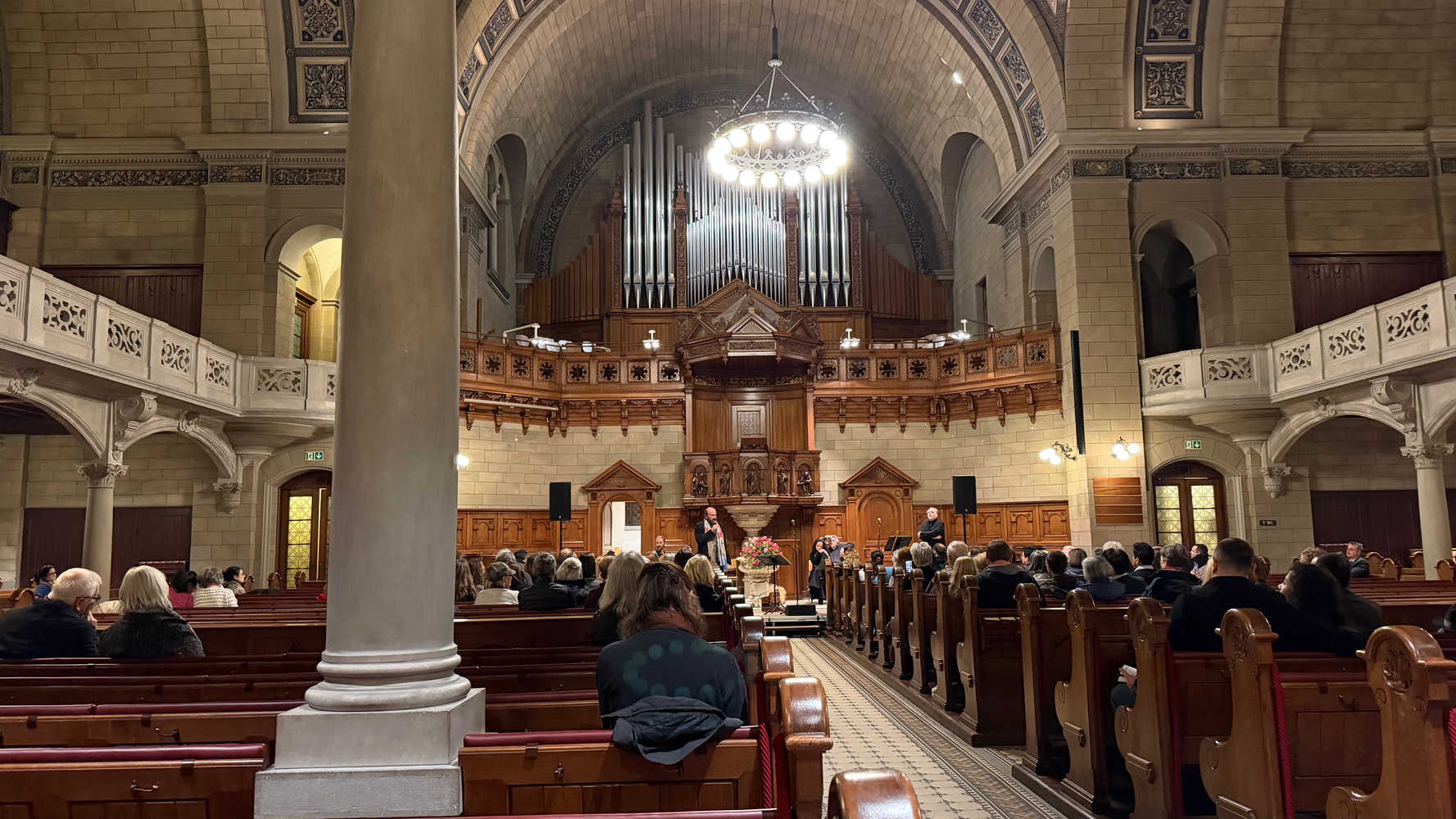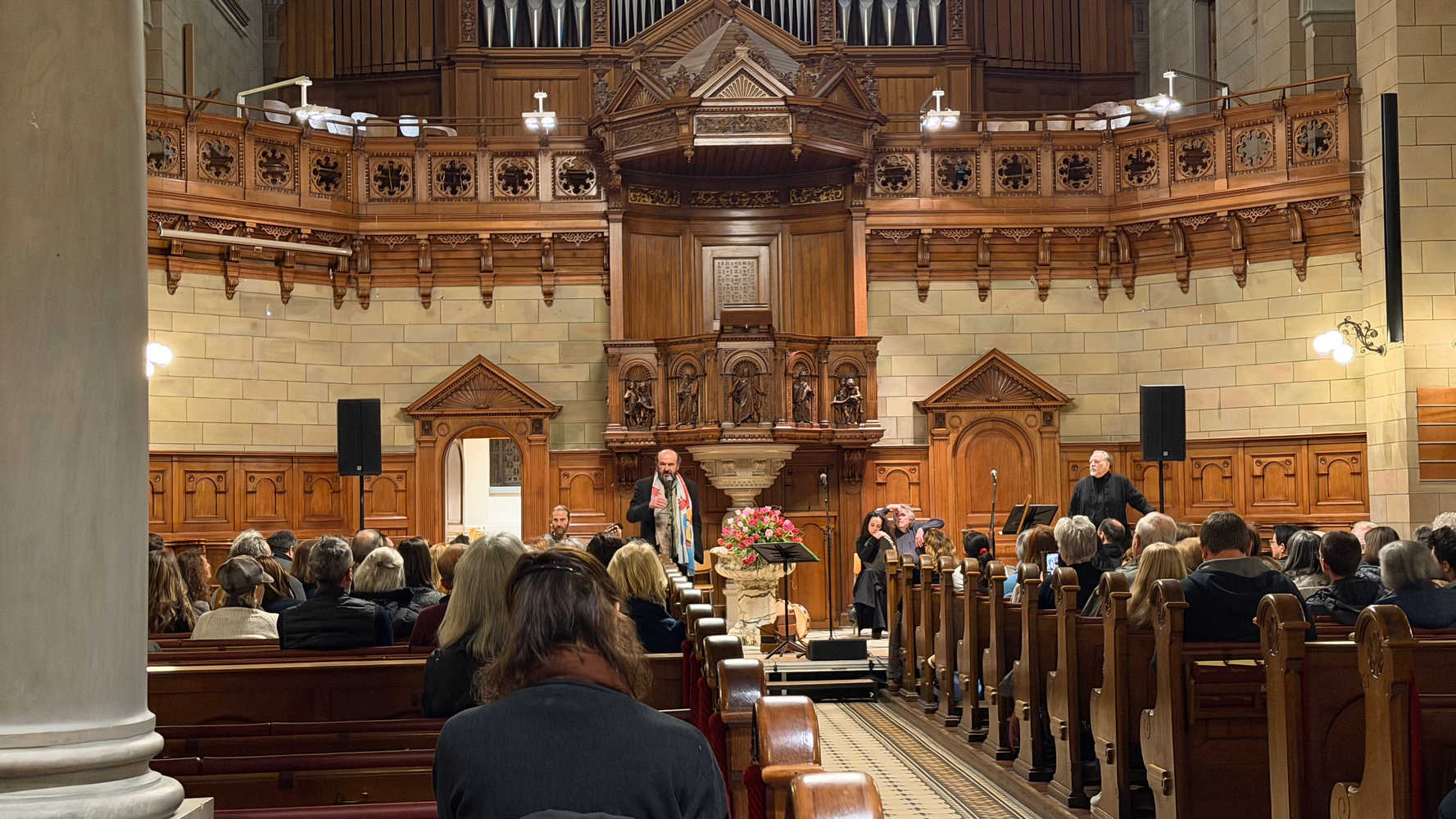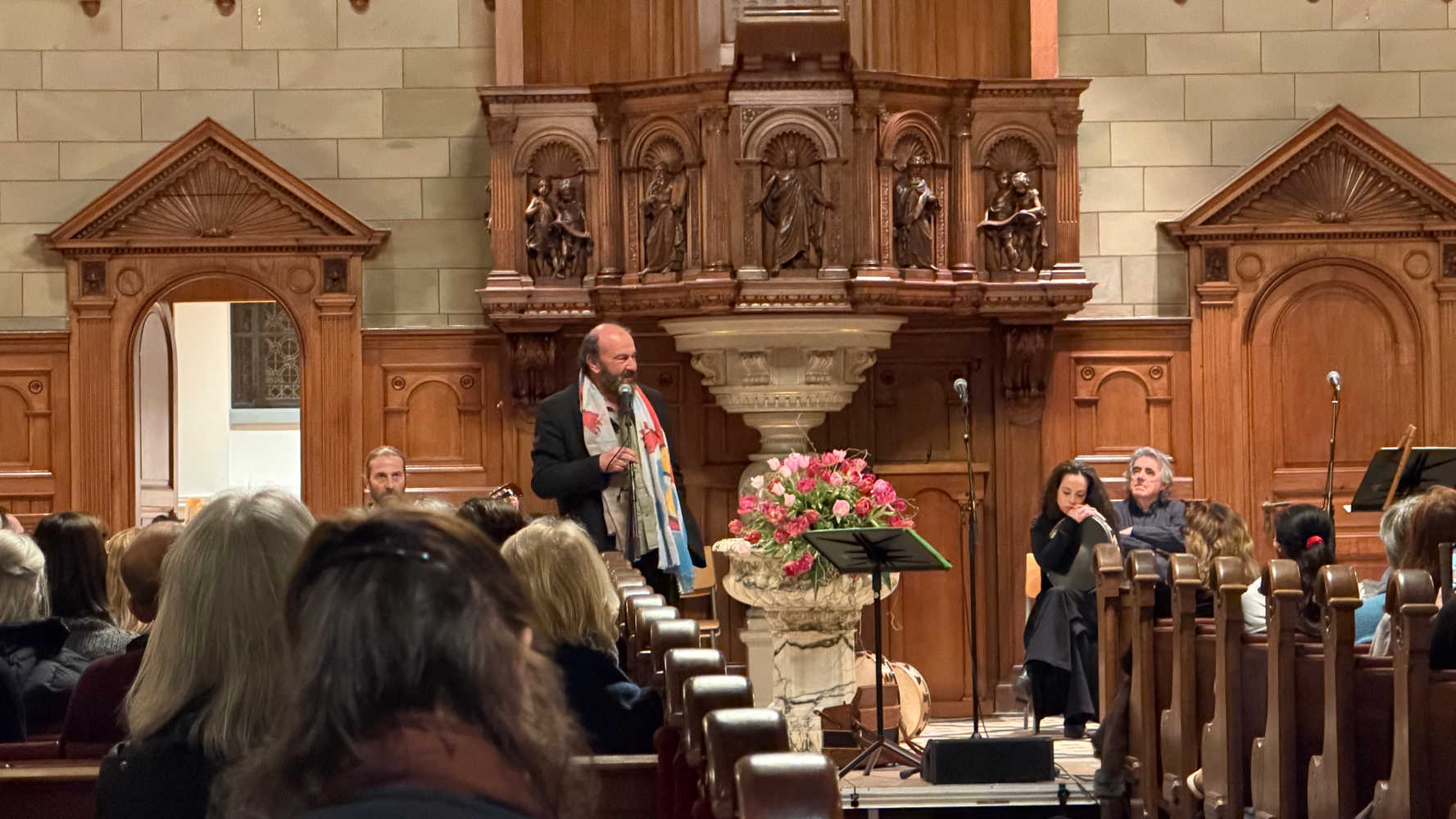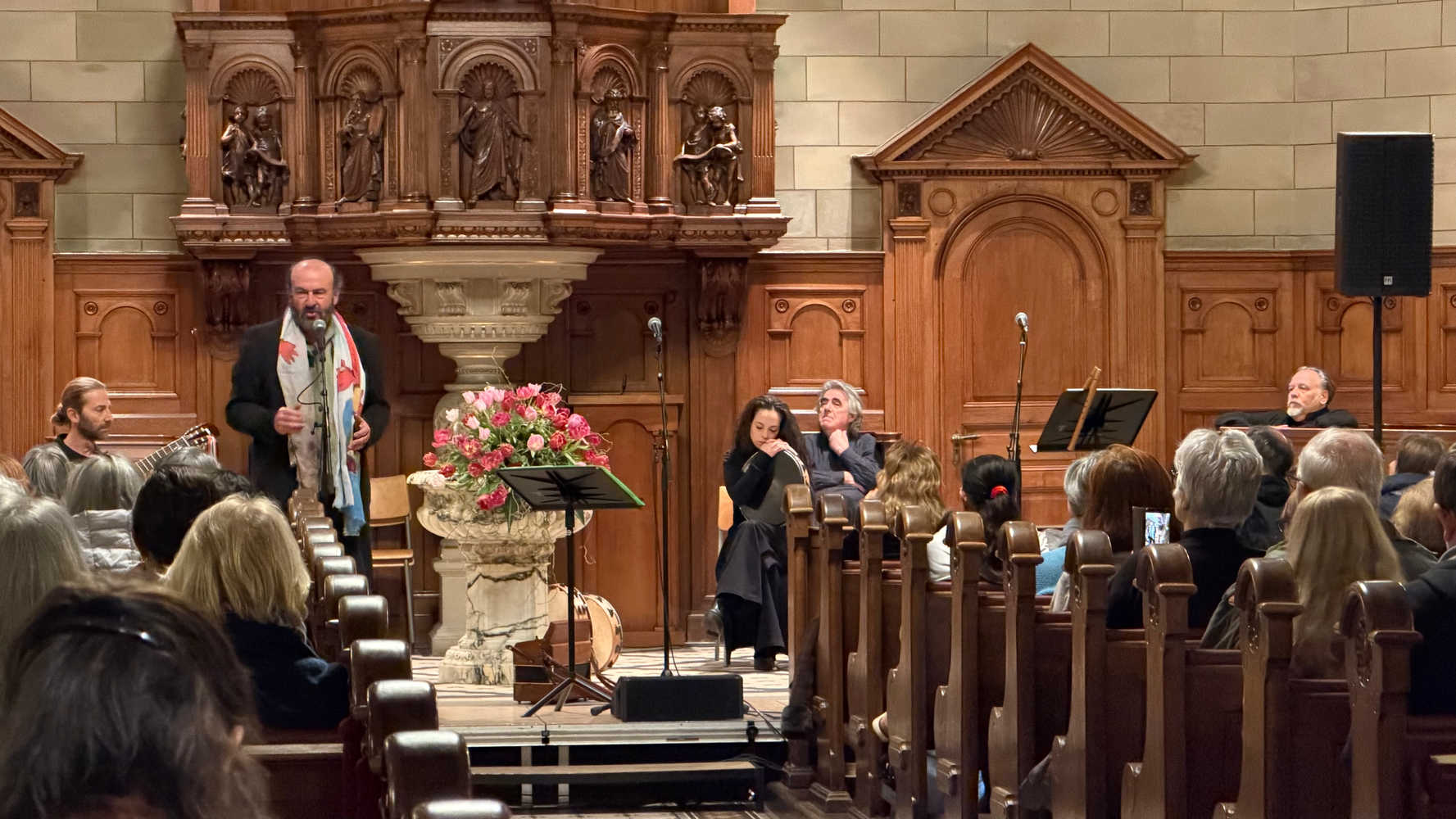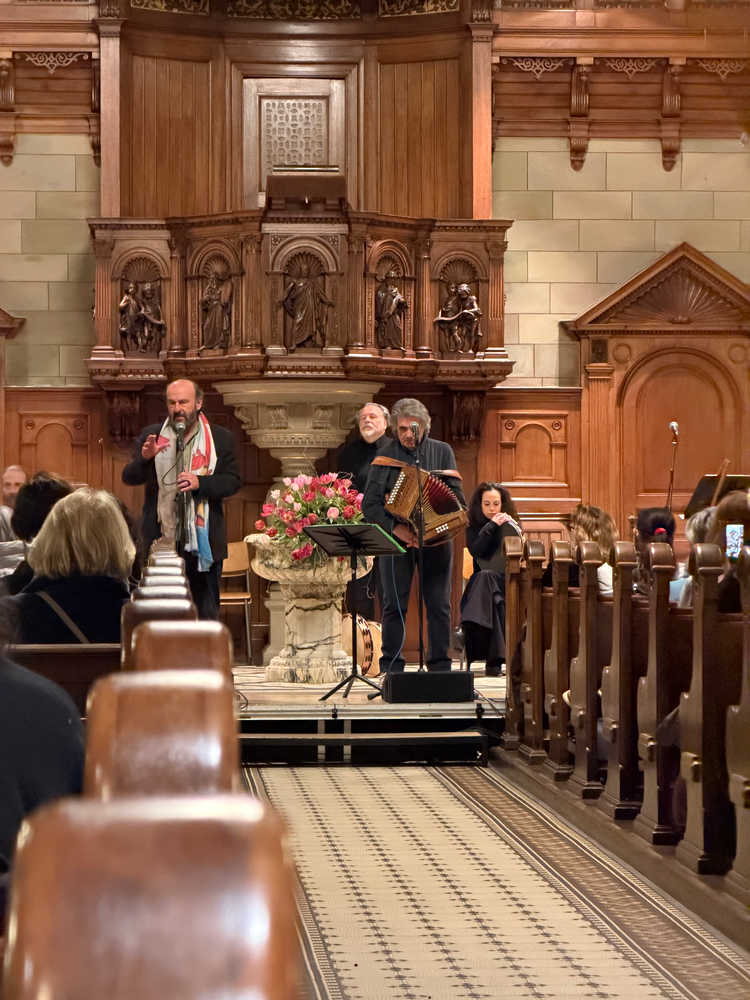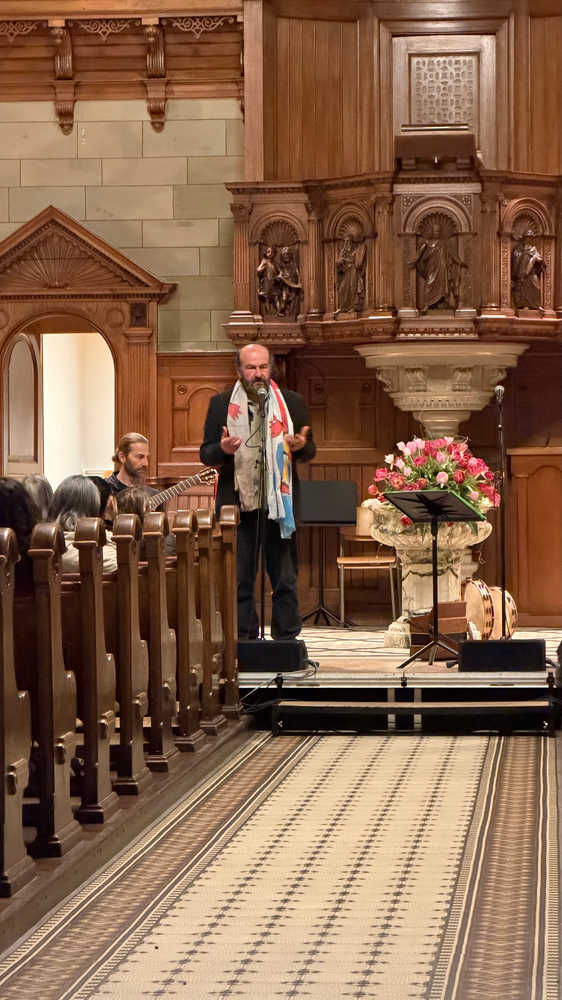


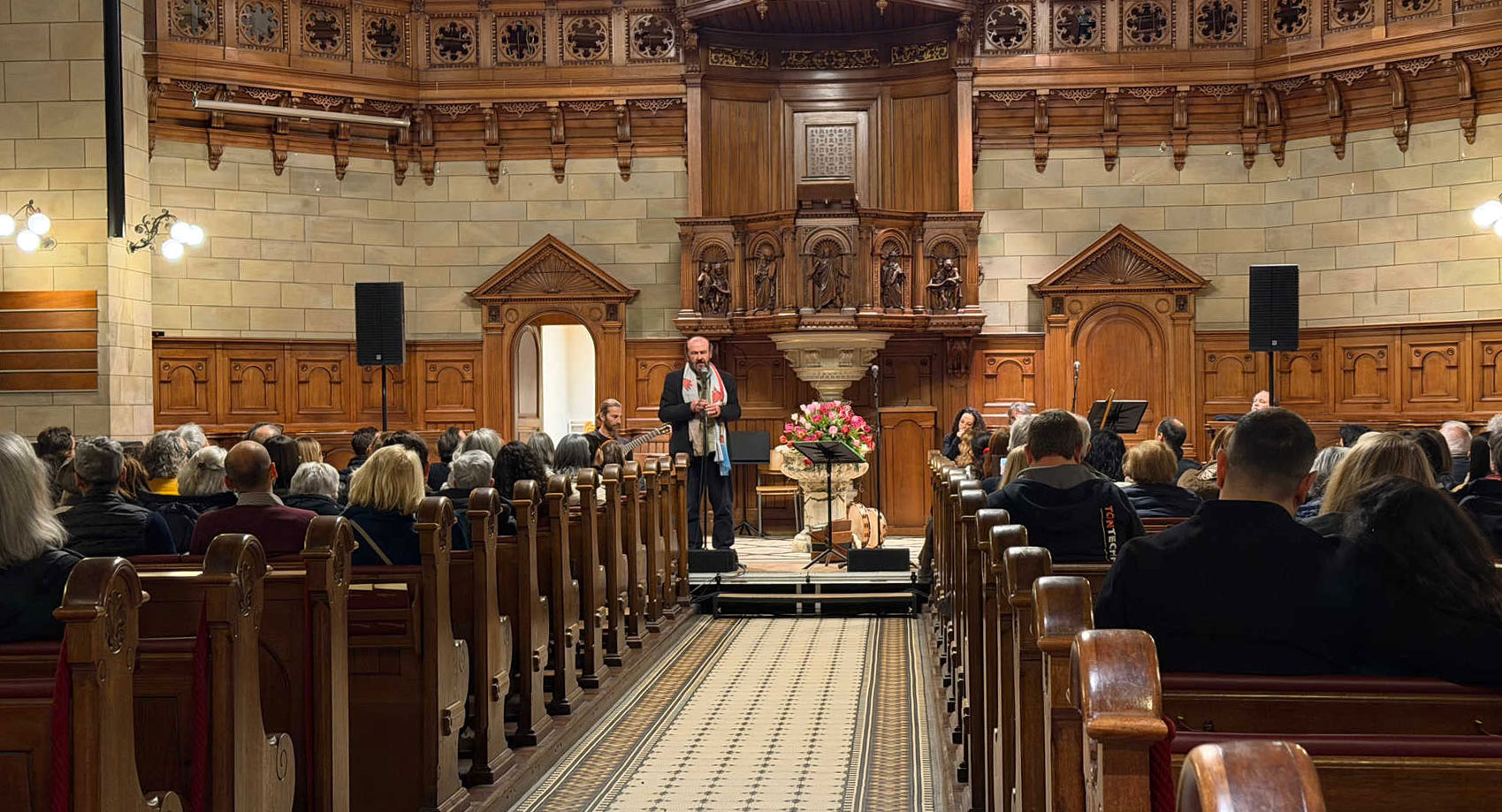


The event dedicated to the Canticle of the Creatures offered much more than a simple cultural occasion: it was a moment of listening and reflection, capable of bringing back to the centre one of the most powerful and universal voices of the European spiritual and poetic tradition.
Part of the wider calendar of events accompanying 2026, the year marking 800 years since the death of Saint Francis of Assisi, the evening belongs to an international journey involving more than 70 cities on 5 continents. From Los Angeles to Moscow, from Mexico City to Sydney, the saint's message continues to cross geographical and cultural borders, keeping its force intact.
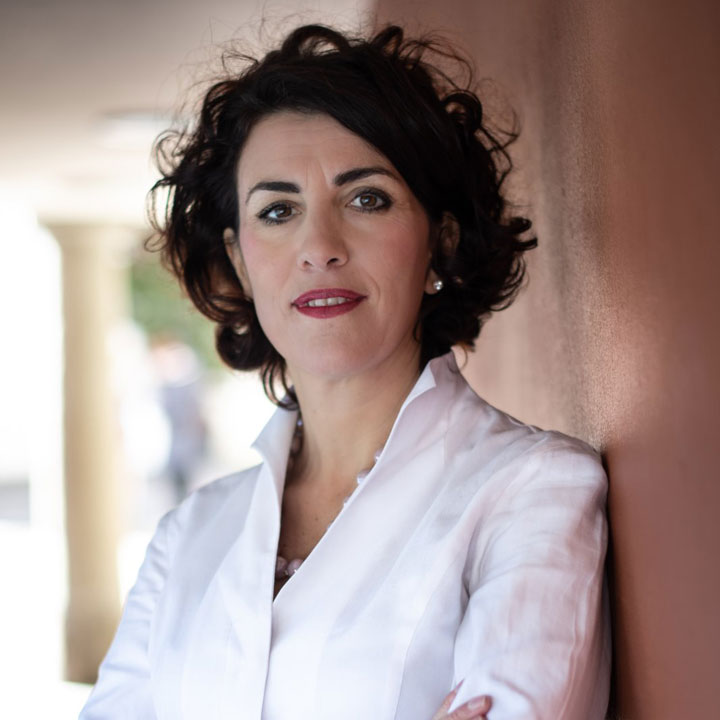
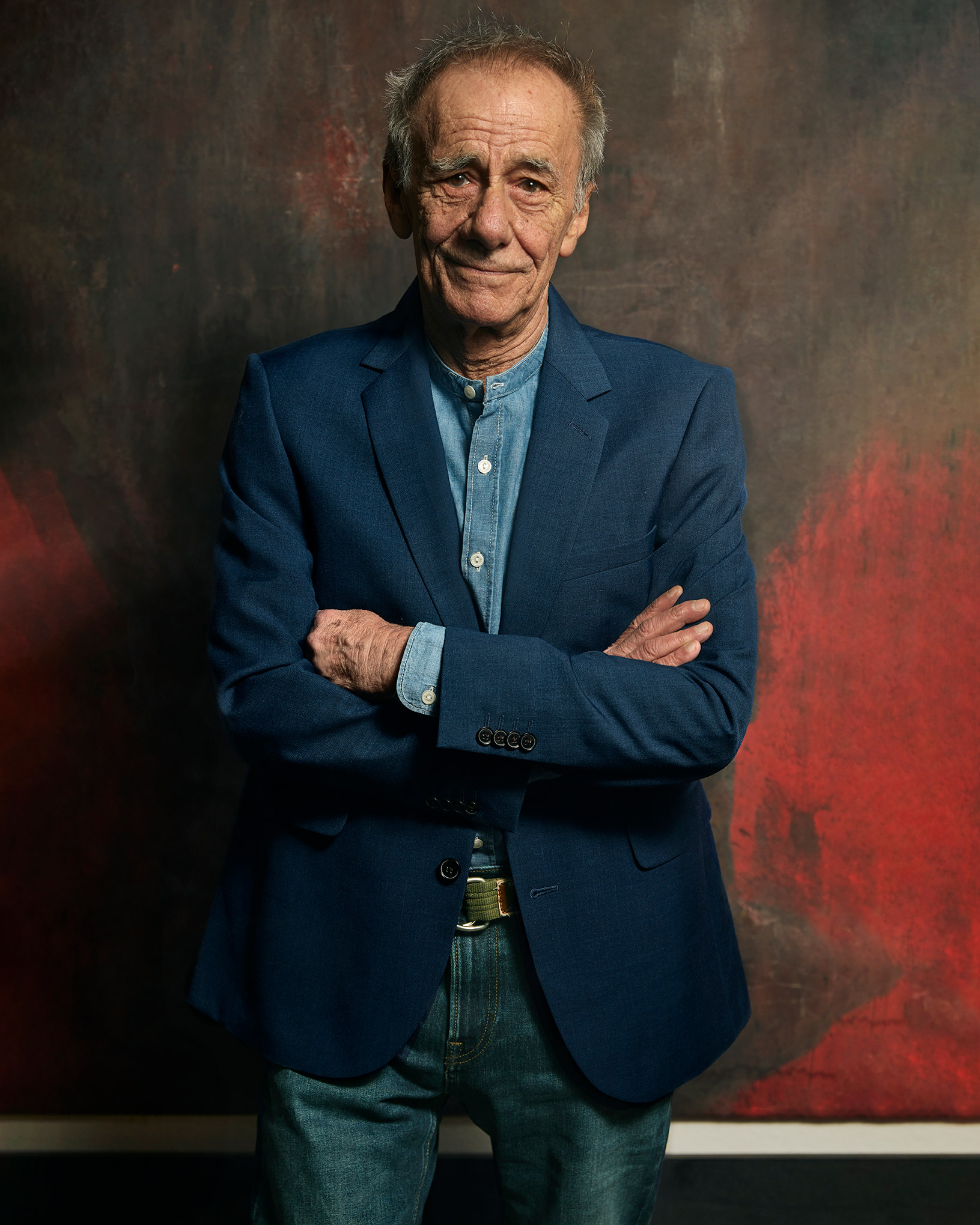
The commemoration, known as the “Easter of Francis”, places at its centre values that are more relevant today than ever: peace, fraternity and care for creation. A legacy that finds new voice also thanks to figures like Davide Rondoni, among the most relevant of contemporary Italian poetry, engaged for years in translating Franciscan thought into today's language. For the occasion we met him, giving life to a conversation that moves between the poetic word, human experience and the search for meaning.
Your poetry often interweaves the spiritual dimension and everyday life: how does this balance arise in your writing? “I do not know if it is a balance, perhaps an imbalance, because life can be unbalanced. Parallelepipeds are balanced, human beings are not. Contracting, to embrace, to expose oneself. So I do not think we should speak of balance: in life these two things are there together. I do not believe one can live everyday reality in a reasonable, intelligent way without a gaze that is also spiritual, and vice versa. I do not think I have done anything strange or new: in the great Italian poetry, from Dante to Petrarch to Leopardi, this is always present.”
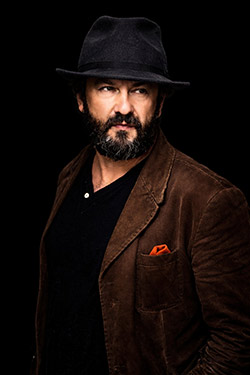
In an ever faster and more fragmented cultural landscape, what role can poetry still have today in your opinion? “Poetry is not simply a literary genre: it is an art of the word that concerns life. It is not made to fill time or to produce content, but to say something essential. We live immersed in a continuous flow of words, often superficial. Poetry instead seeks the right words, those that do not betray reality. Because when you get the words wrong, in some way you also lose your relationship with life. It is a way to find the right tone, to look at reality and bring it into focus.”
So poetry is still necessary? “Absolutely yes. It remains a profound necessity, even when it seems marginal. It is a way to enter into relationship with what happens, to cross experience and give it form. Poetry is not escapism, but an attempt to stay inside things with greater intensity.”
Which authors or experiences have most influenced your poetic journey and how are they reflected in your texts? “The influences are many. The great Italian tradition is fundamental, starting with Dante, who knew how to hold together human experience and spiritual tension in a unique way. But readings, encounters, lived experiences also count. Everything contributes to forming a gaze. It is not about imitating, but about crossing what one encounters and letting it work inside oneself.”
When you write, do you more often start from an image, an emotion or a precise reflection? “It can arise from all these things. Sometimes it is an image, other times an emotion or a sudden reflection. There is no precise rule. It is as if something lit a spark: from there begins a work of listening and searching. Writing is a way of chasing that first intuition and giving it a form that is true.”
In your journey, how much does personal experience count? “It counts a lot, but not in the simplest autobiographical sense. Experience is the starting point, but then it must be crossed, transformed. Poetry is not chronicle, it is a gaze. It is the attempt to understand and give back what we live in a deeper way.”
Today there is much talk of a reading crisis. What relationship do you see between the public and poetry? “I do not believe the problem is distance from poetry, but rather the difficulty of stopping. Poetry requires attention, time, silence. And yet, when people truly encounter an authentic word, they recognise it. There is still a strong need, even if it is often not intercepted.”
Ultimately, what is poetry for you? “It is a way of looking at life and bringing it into focus. A continuous attempt to say the real without reducing it. It is something born of a necessity: that of not losing contact with what really matters.”
Eight hundred years after the death of Saint Francis, his message continues to vibrate with surprising relevance. Not as a distant memory, but as a living provocation, capable of questioning the present. Poetry, as Rondoni suggests, remains one of the most authentic instruments for crossing this legacy: not a refuge, but a gaze. A way of inhabiting the world with greater depth, without separating what we are from what we seek.
And it is perhaps precisely in this human “imbalance”, so far from every perfect construction, that the truest possibility of poetry continues to be born.
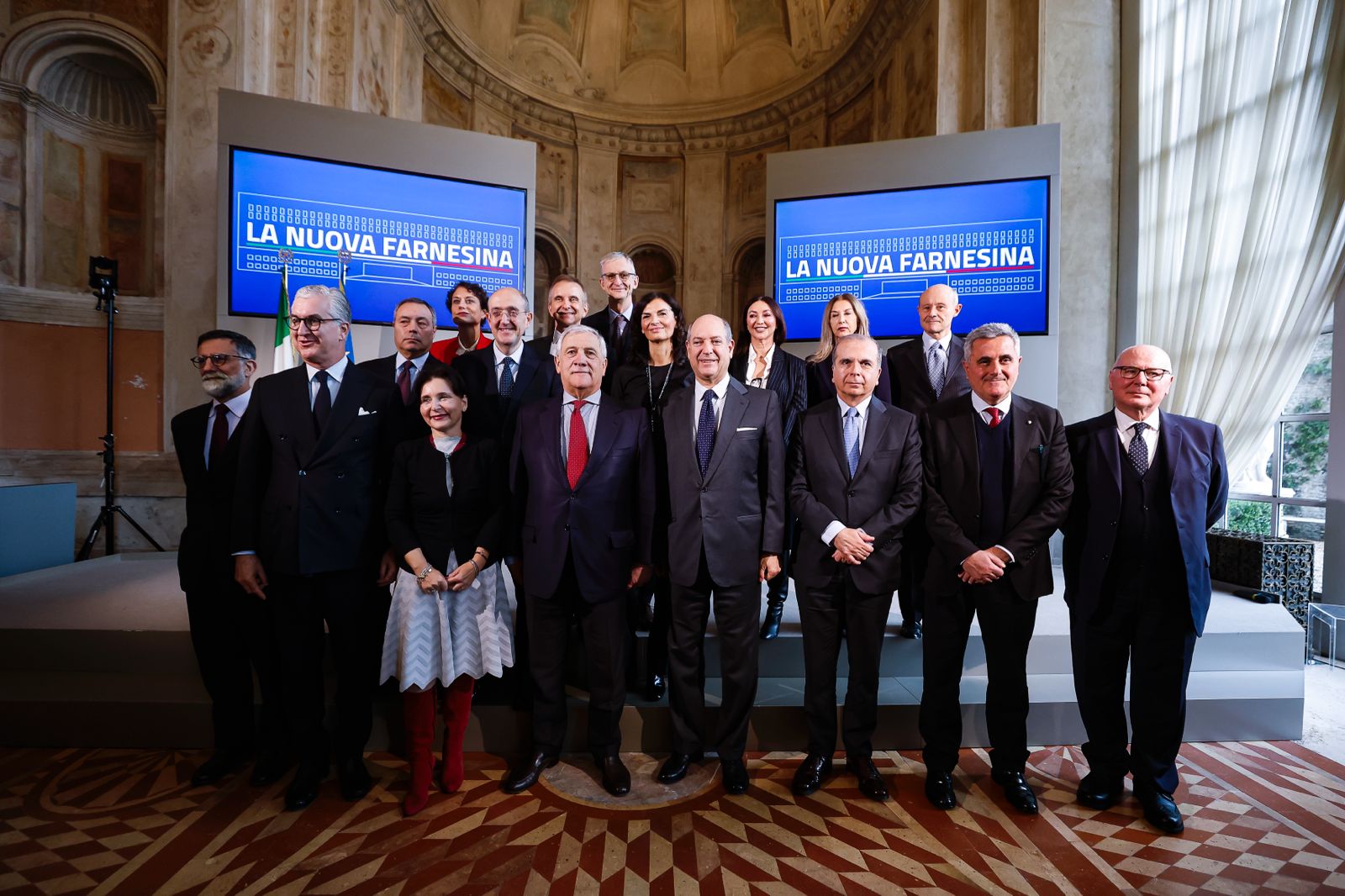
The event was organised by the Italian Cultural Institute of Zurich. Discover their upcoming cultural initiatives.
From Los Angeles to Moscow, from Mexico City to Sydney. The celebrations of the eighth centenary will have a global dimension and will involve numerous cities around the world: more than 70 cities across 5 continents, confirming the global dimension. The message of Saint Francis crosses different latitudes and cultures, symbolically uniting West and East, North and South of the world. An international mosaic that testifies to how the legacy of Saint Francis is more alive today than ever, capable of crossing geographical and cultural borders, speaking to believers and non-believers with the same force and authenticity.
Visit the official website https://sanfrancesco800.cultura.gov.it