

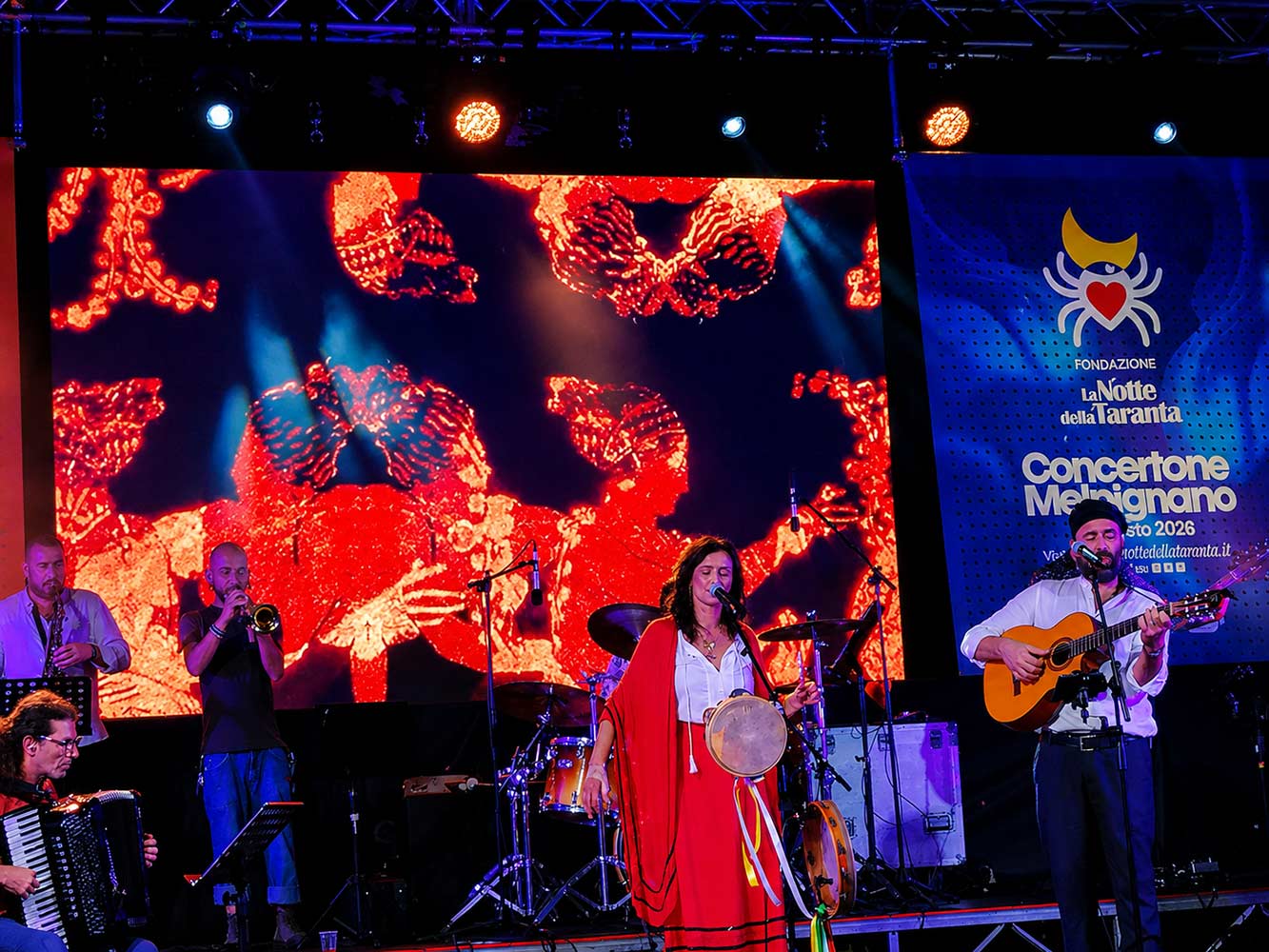


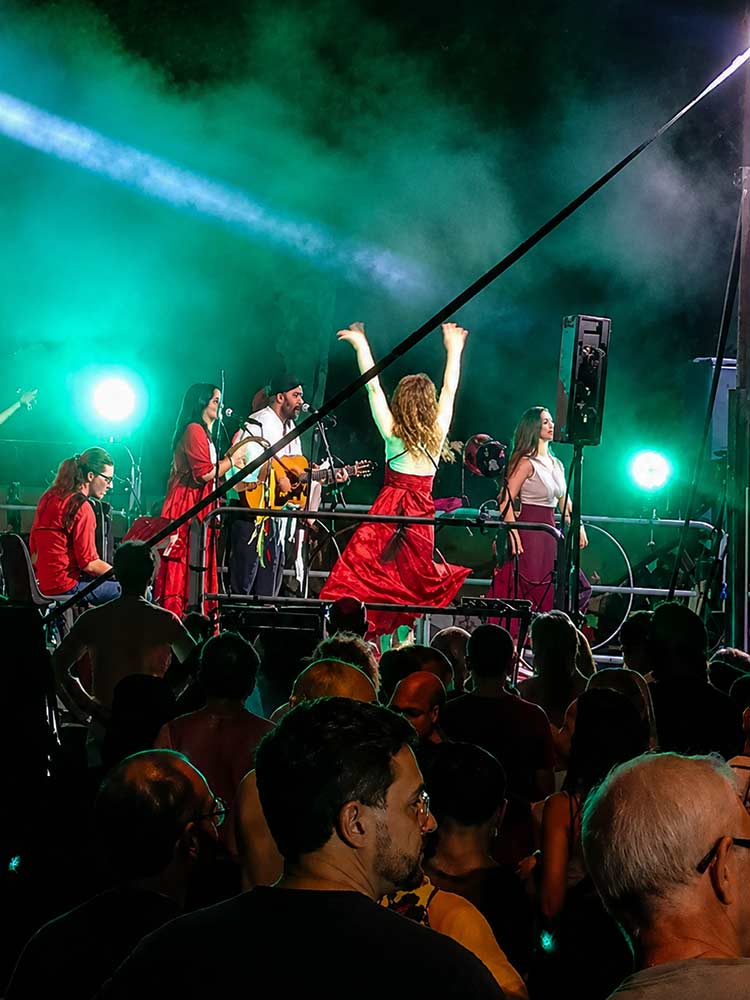
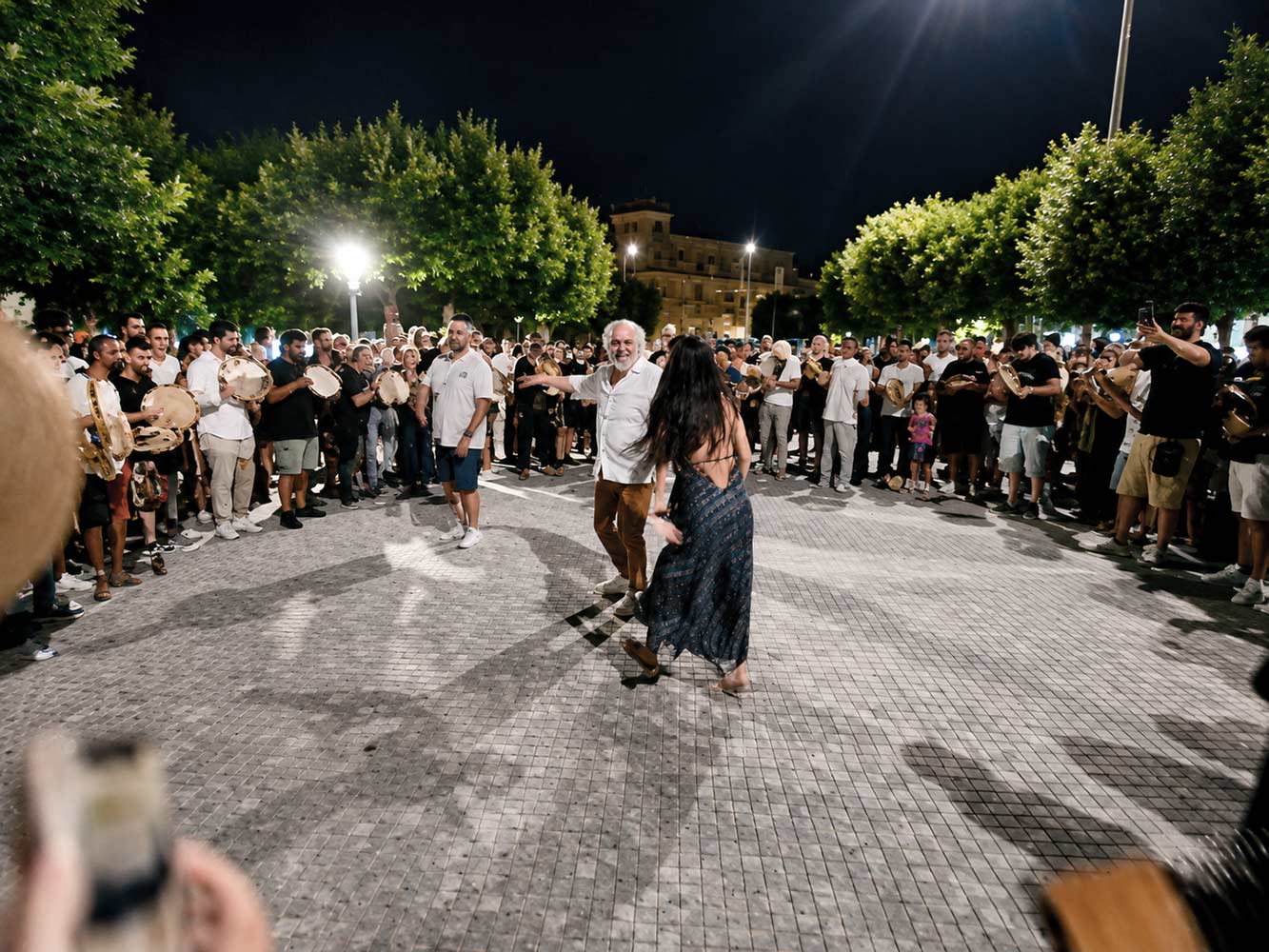
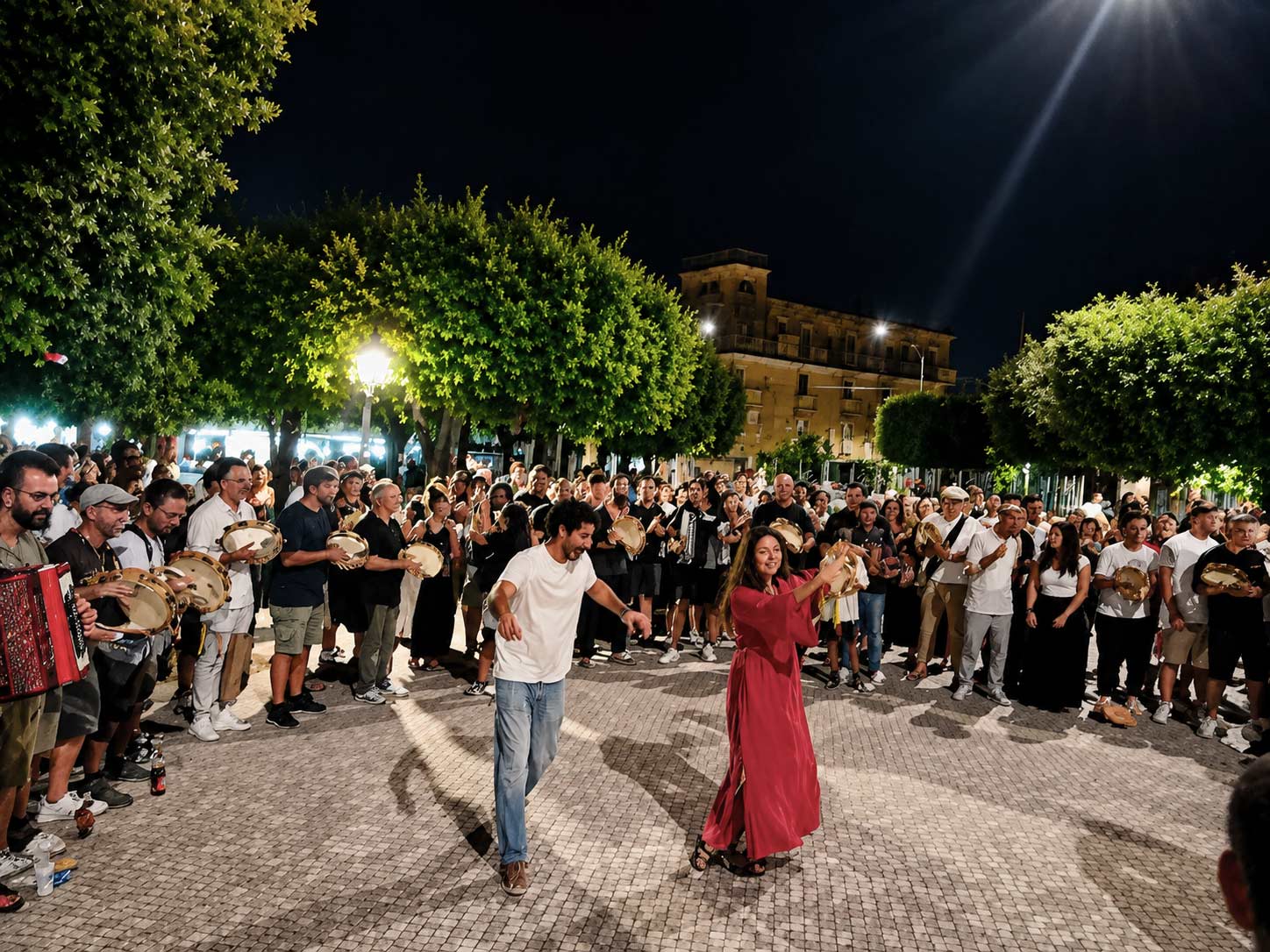
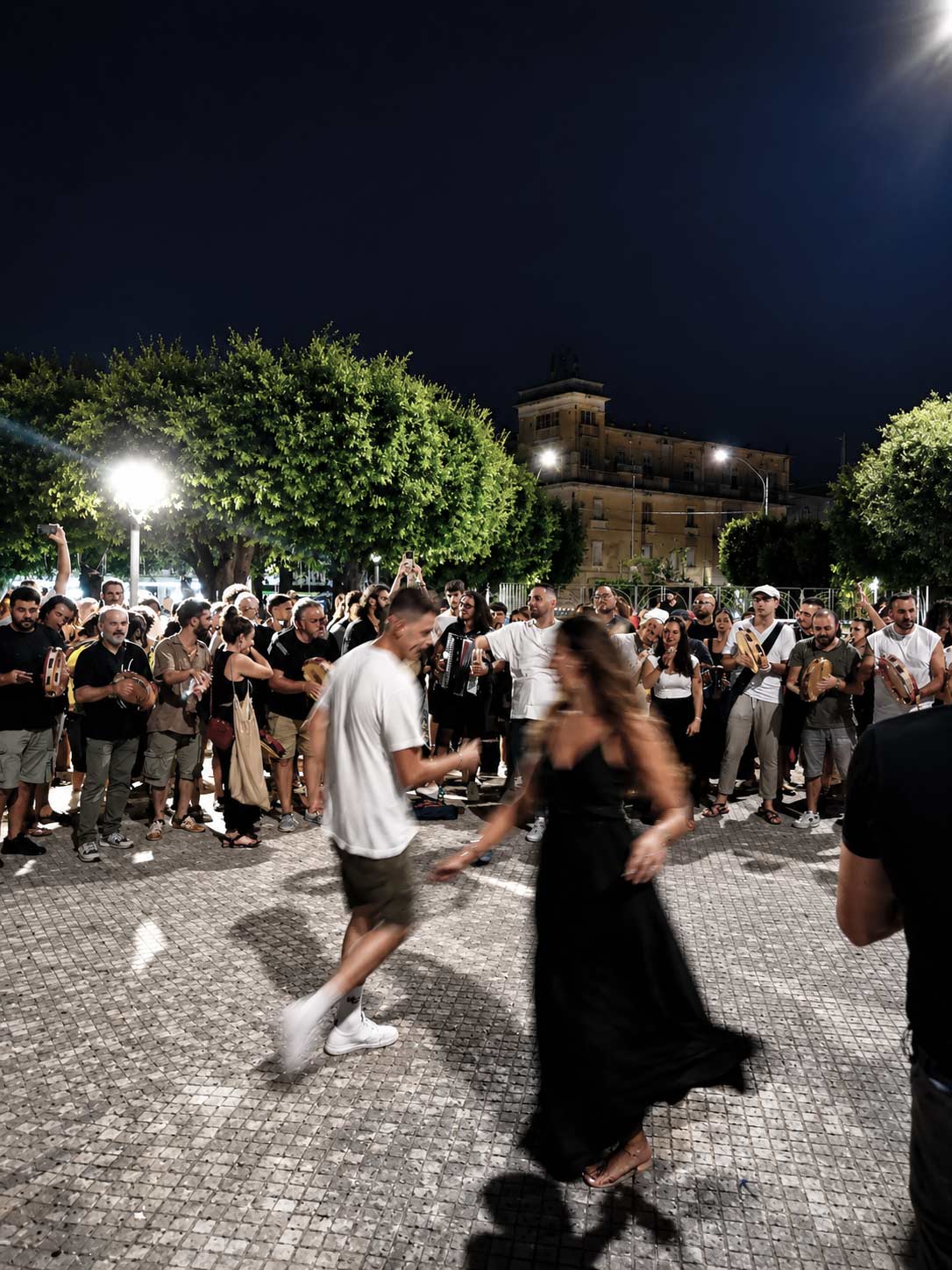
There is a line by Fernand Braudel that the Fondazione La Notte della Taranta has chosen as the interpretive key of the 2026 edition: the Mediterranean as "not one civilisation, but a thousand civilisations layered upon each other". The theme of this year's touring Festival is built around that idea, Le vie del Mediterraneo: twenty squares across the Salento turned, evening after evening, into as many ports.
The choice is not merely an aesthetic one. "In a time marked by conflict", said the president of the Foundation Massimo Bray, "culture and music can set against the logic of force another force: that of cooperation, of respect and of the recognition of a shared humanity". It is a thread that ties the theme directly to the choice of the Maestro concertatore.
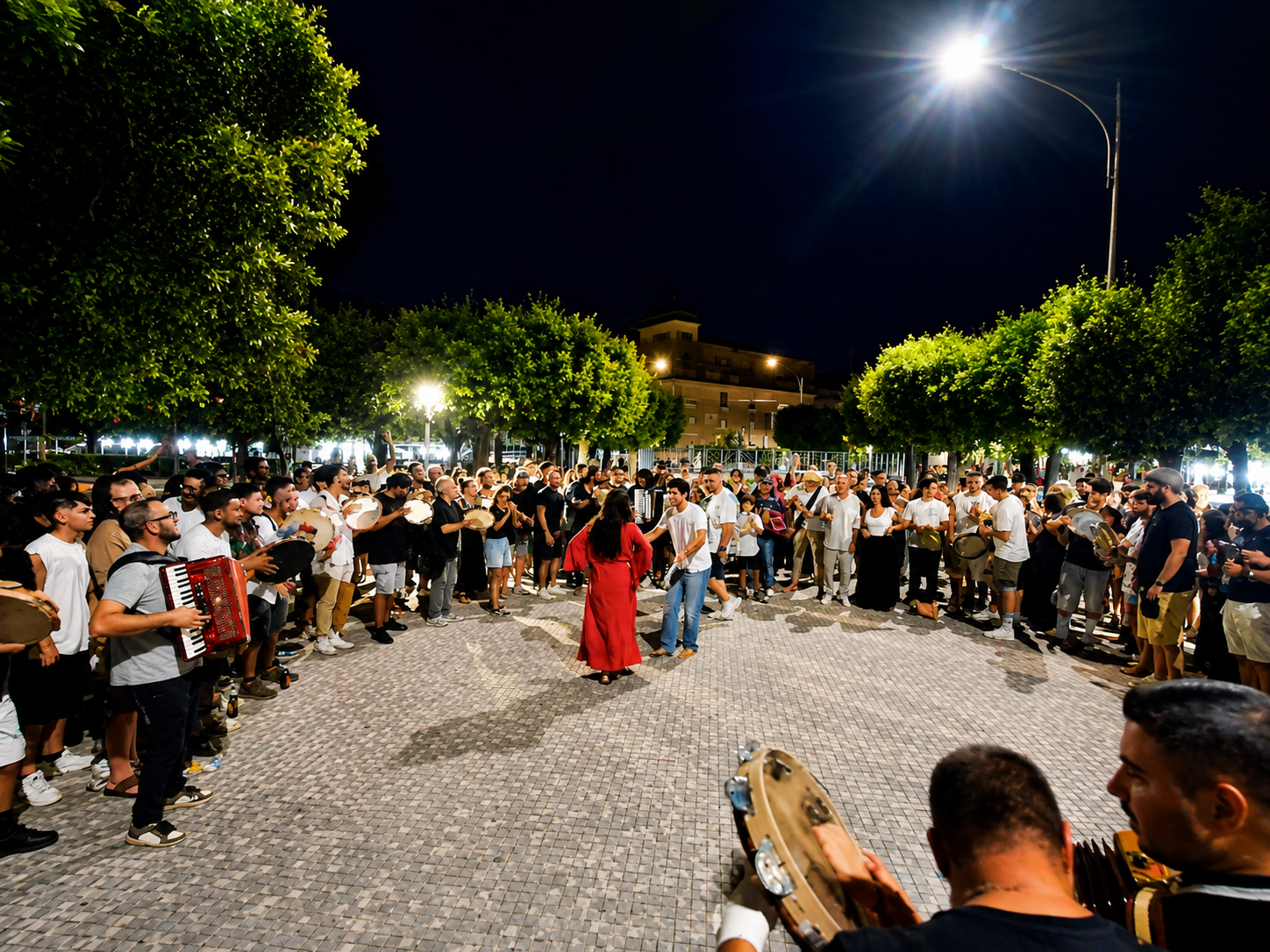
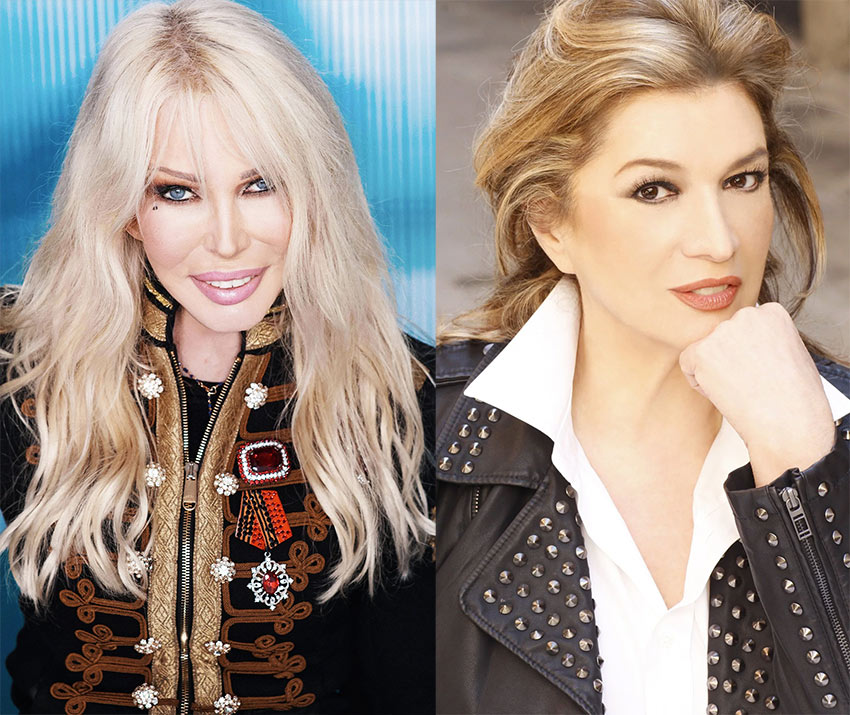
Alongside the sounds of the Salento, the programme makes room for minority languages, Griko with Ninfa Giannuzzi and Arbëreshë with Salvatore Galeanda, and for the repertoires of the Aspromonte, Sicily, Sardinia, Albania and Morocco.
The Festival set off on Thursday 30 July from Corigliano d'Otranto, in the heart of the Grecìa Salentina, unfolding between the Castello de' Monti and Piazza Vittoria. At 7 pm, in the Castello de' Monti, the official presentation of the edition was held with president Massimo Bray.
The touring Festival closes on 19 August in Martano and every date is free of charge. Unless otherwise stated, performances begin at 8.30 pm.
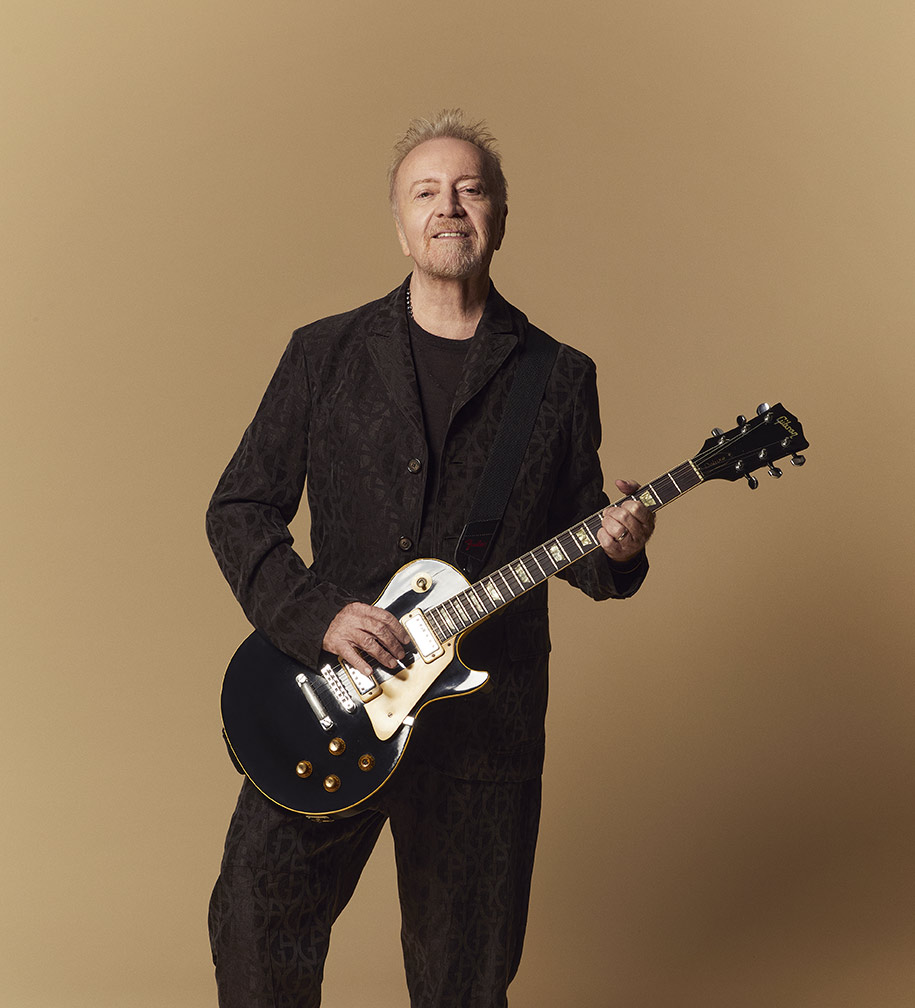
After the opening in Corigliano d'Otranto, the calendar continued on Friday 31 July in Zollino with Enza Pagliara and Peppe Barra, on Saturday 1 August in Calimera with the Briganti di Terra d'Otranto and Kamafei, on Sunday 2 August in Carpignano Salentino, on Monday 3 August in Cursi, on Tuesday 4 August in Sogliano Cavour, on Wednesday 5 August in Nardò, on Thursday 6 August in Alessano and on Friday 7 August in Galatone. It then moved to Cutrofiano on Saturday 8 August with the Tenore Supramonte and Consuelo Alfieri, and to Sternatia on Sunday 9 August. The full calendar is available on the Festival website.
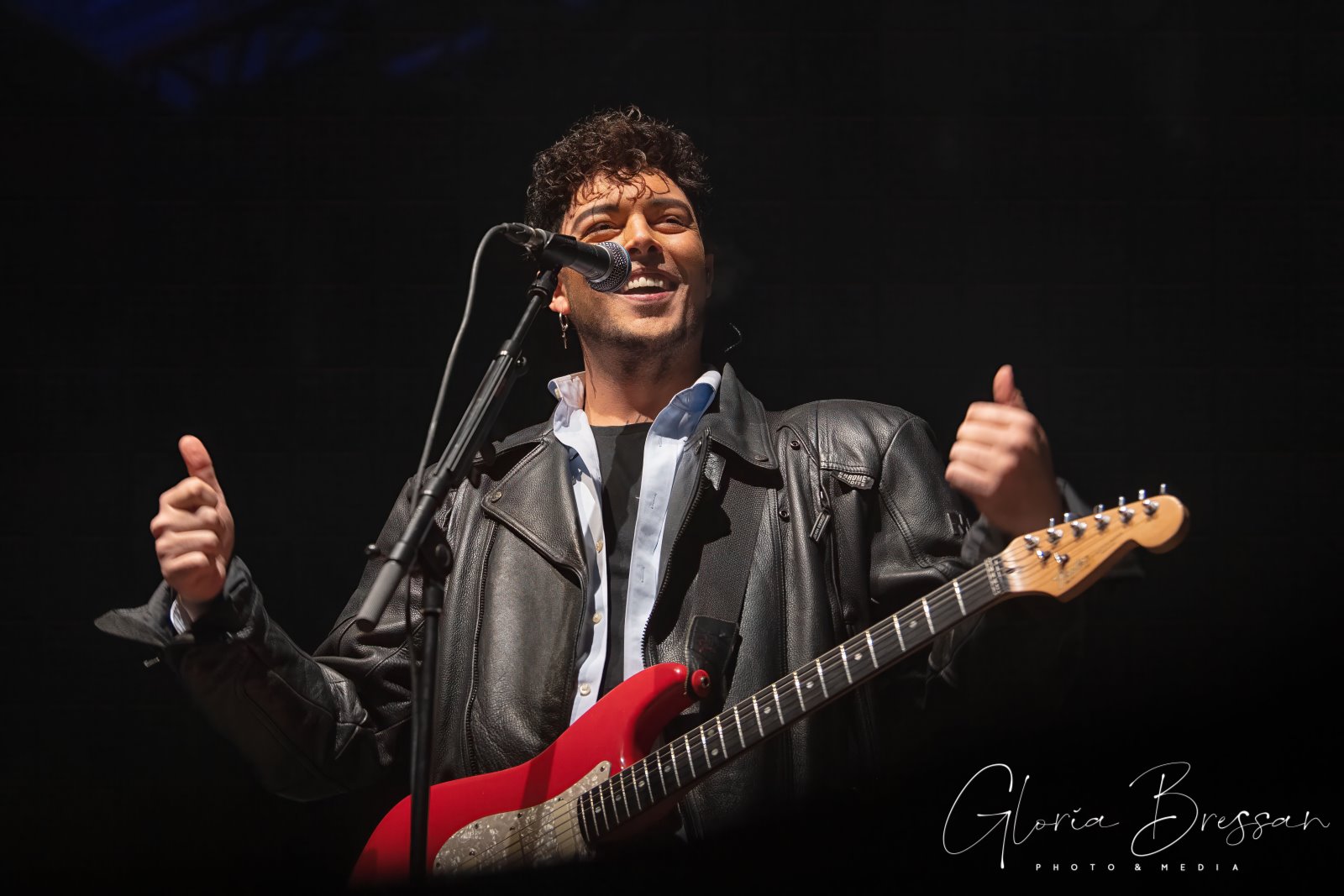
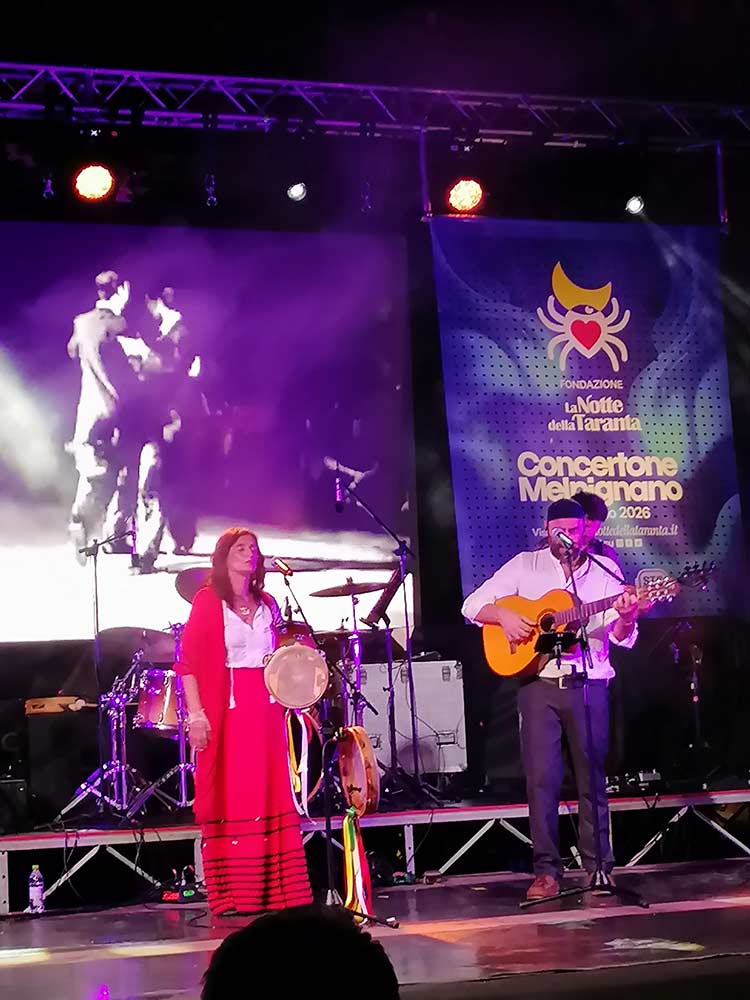
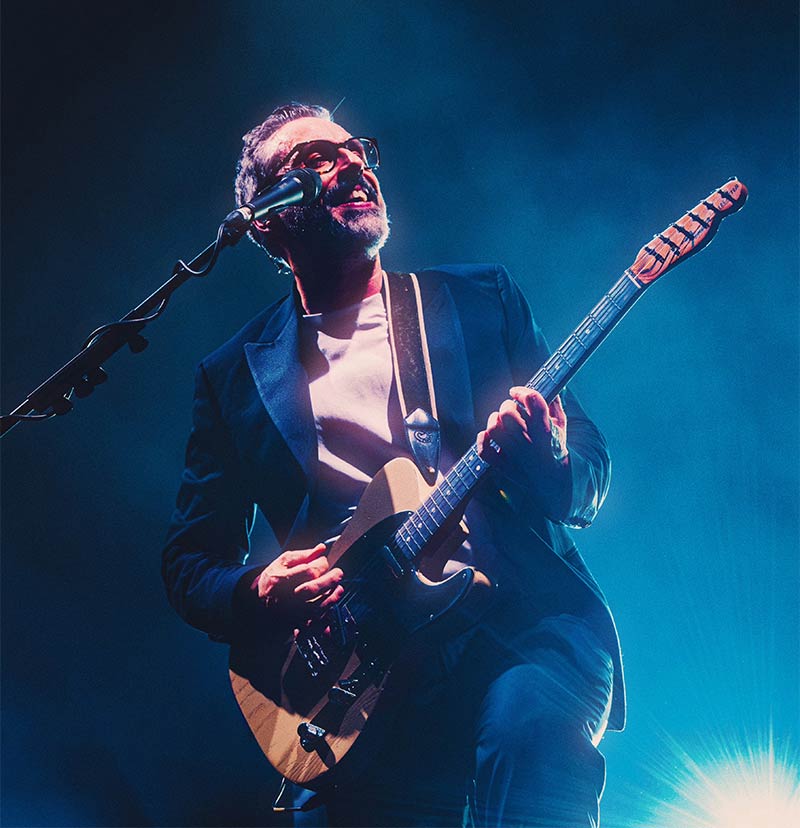
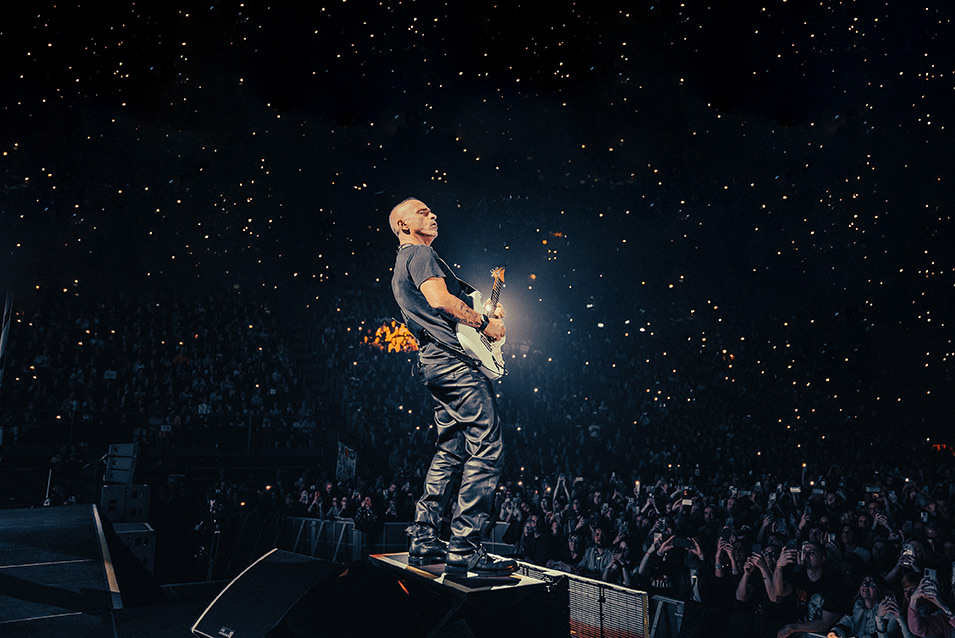
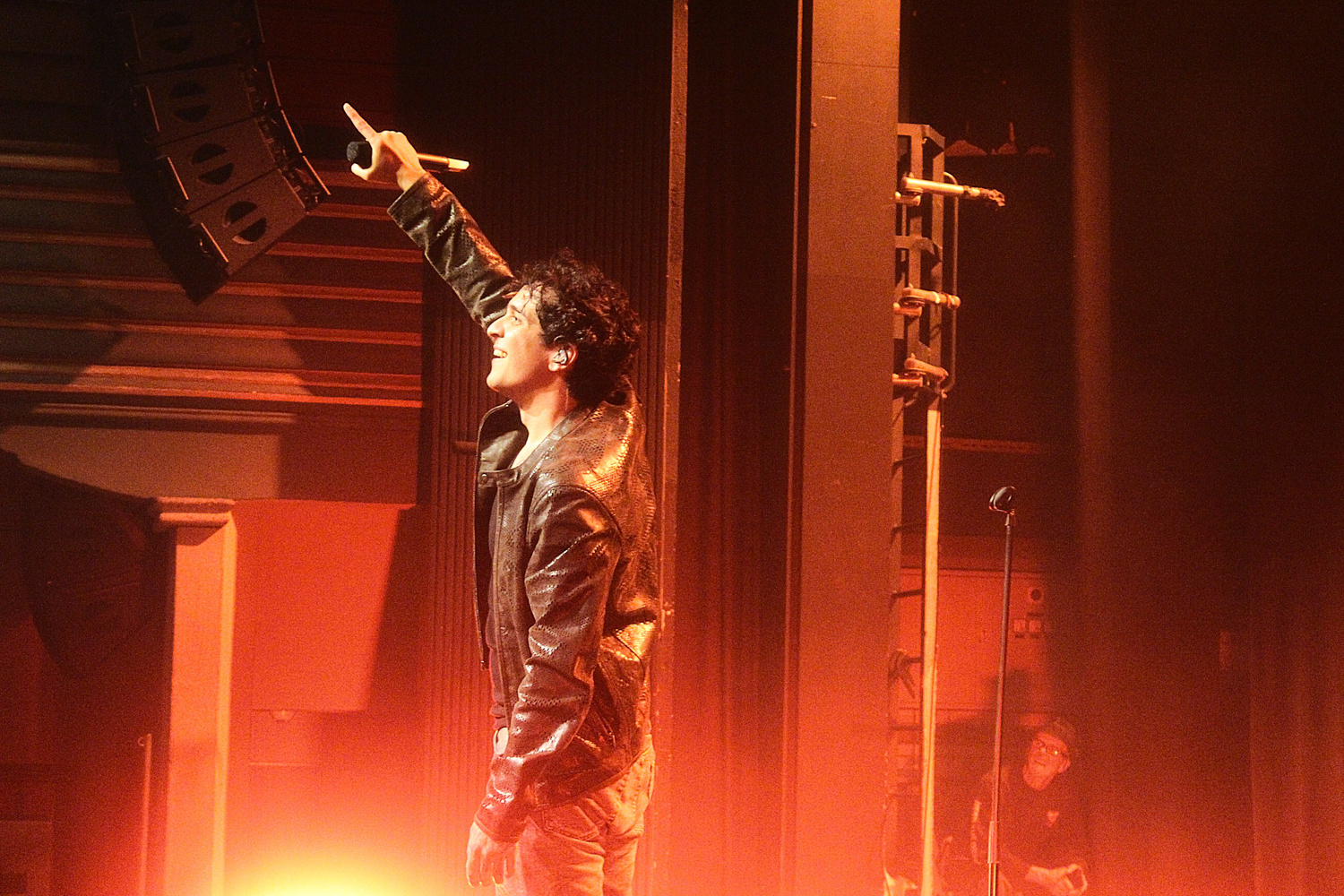
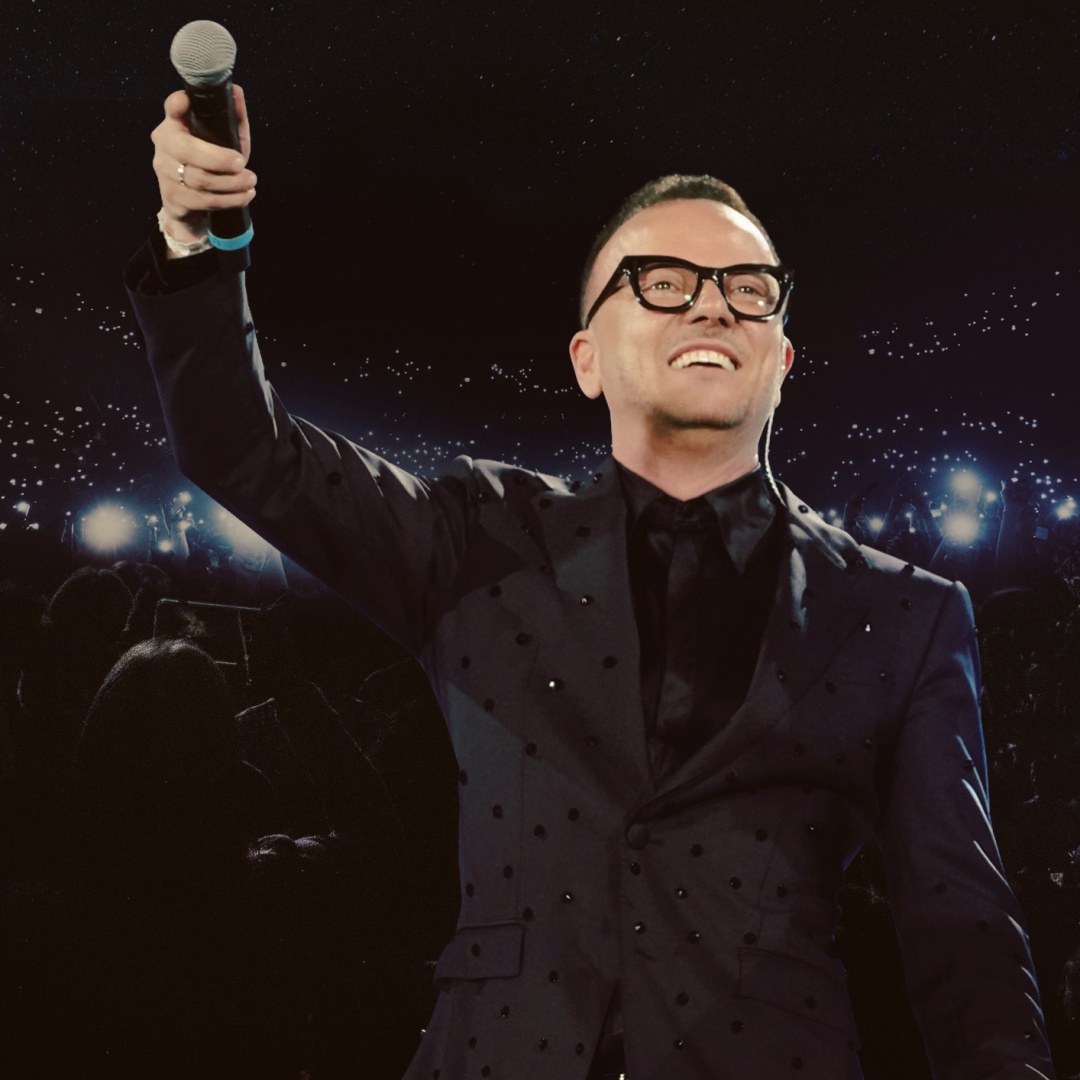
The Concertone of the 29th edition will take place on Saturday 22 August 2026 on the forecourt of the former Augustinian Convent in Melpignano, in the province of Lecce, under the direction of Maestro concertatore Ermal Meta, with choreography by Fredy Franzutti.
The choice of Meta connects explicitly with the theme of the edition. Born in Fier, Albania, and arrived in Bari at the age of thirteen during the great exodus that followed the fall of the communist regime, the singer-songwriter is presented by the Foundation as a witness to Puglia's capacity to become a "land of welcome". Bray recalled that period, when Puglia was cited internationally as an example of solidarity, to the point of being proposed for the Nobel Peace Prize, as "a page of our recent history to be proud of and not to be forgotten".
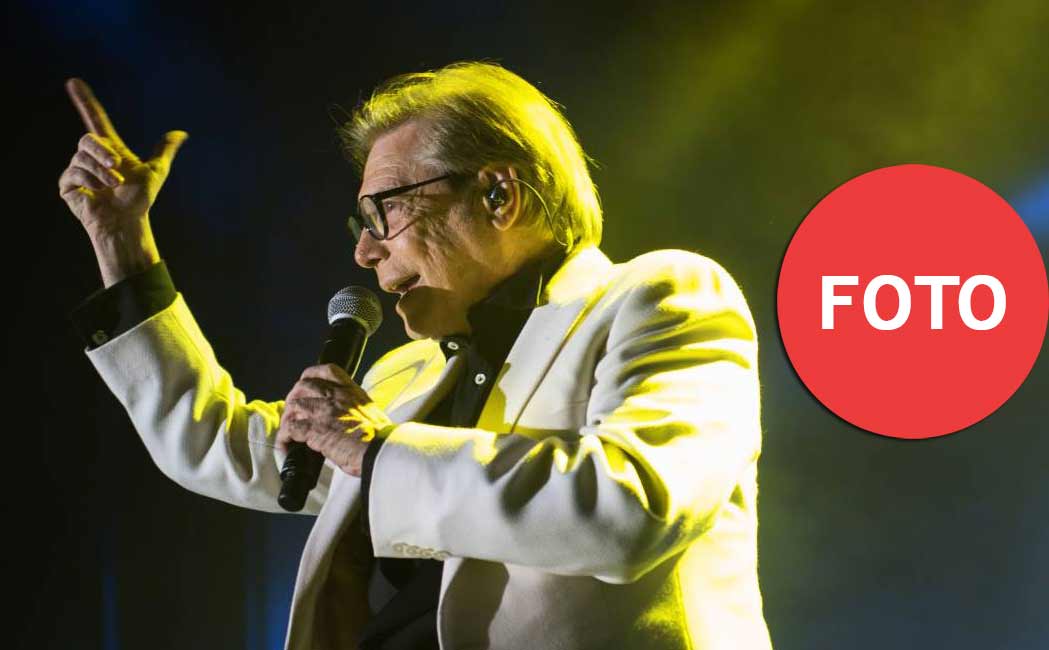
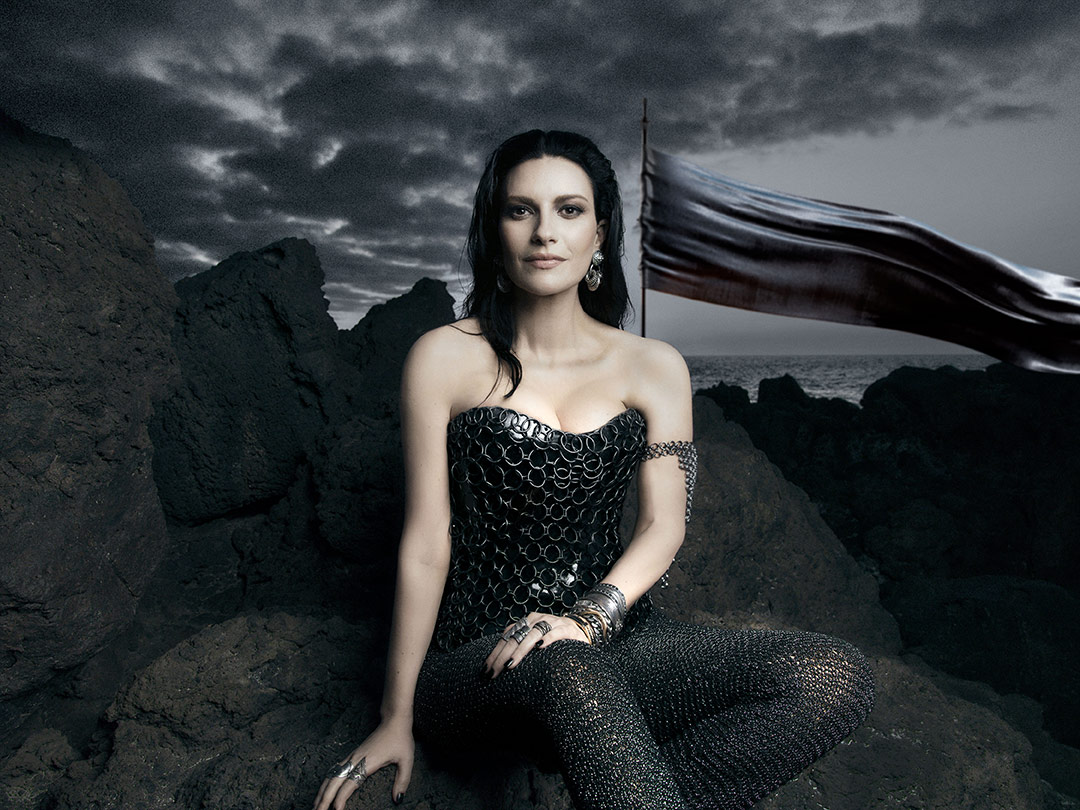
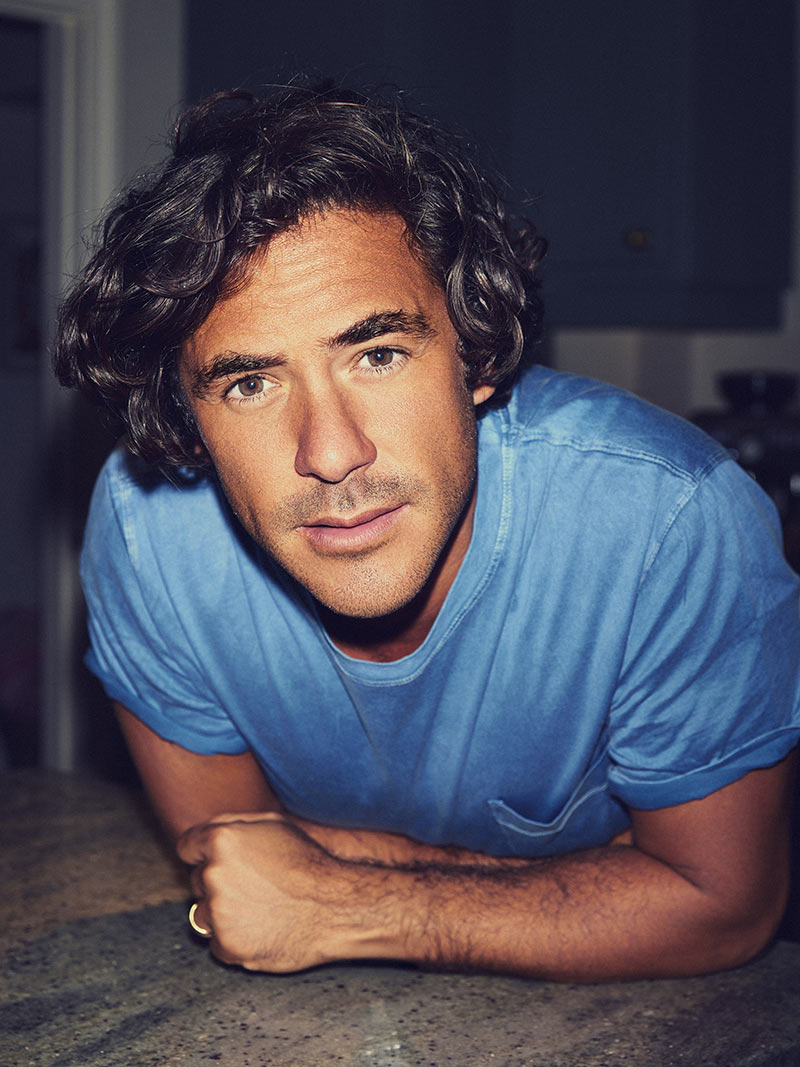
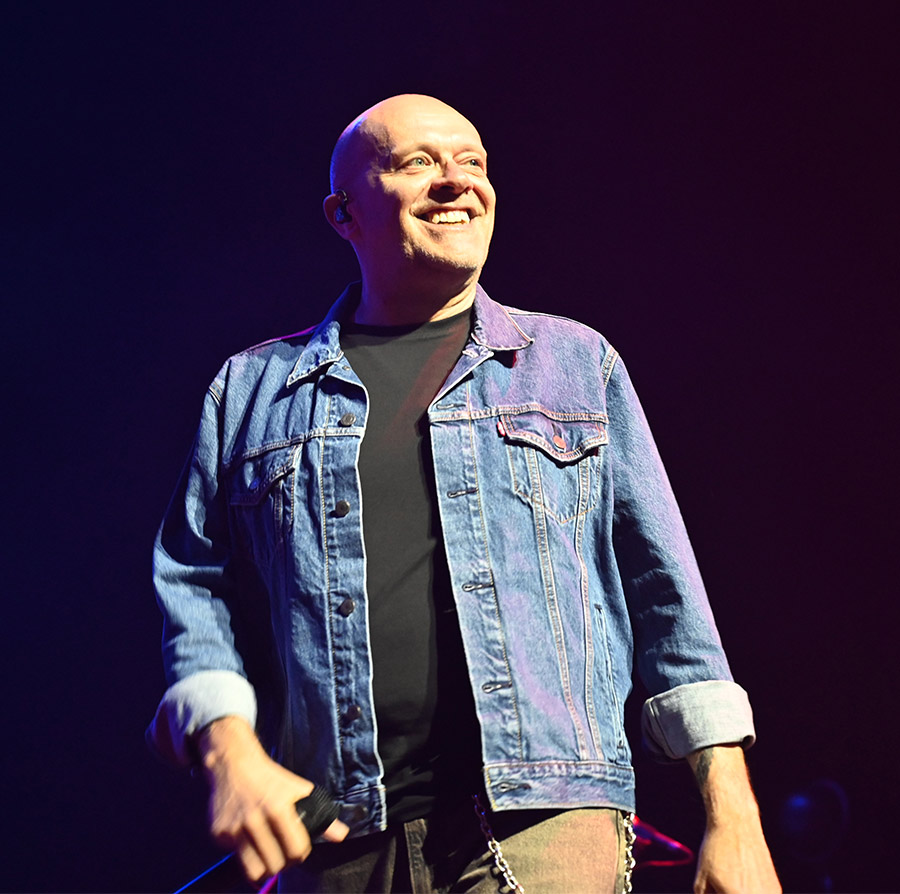
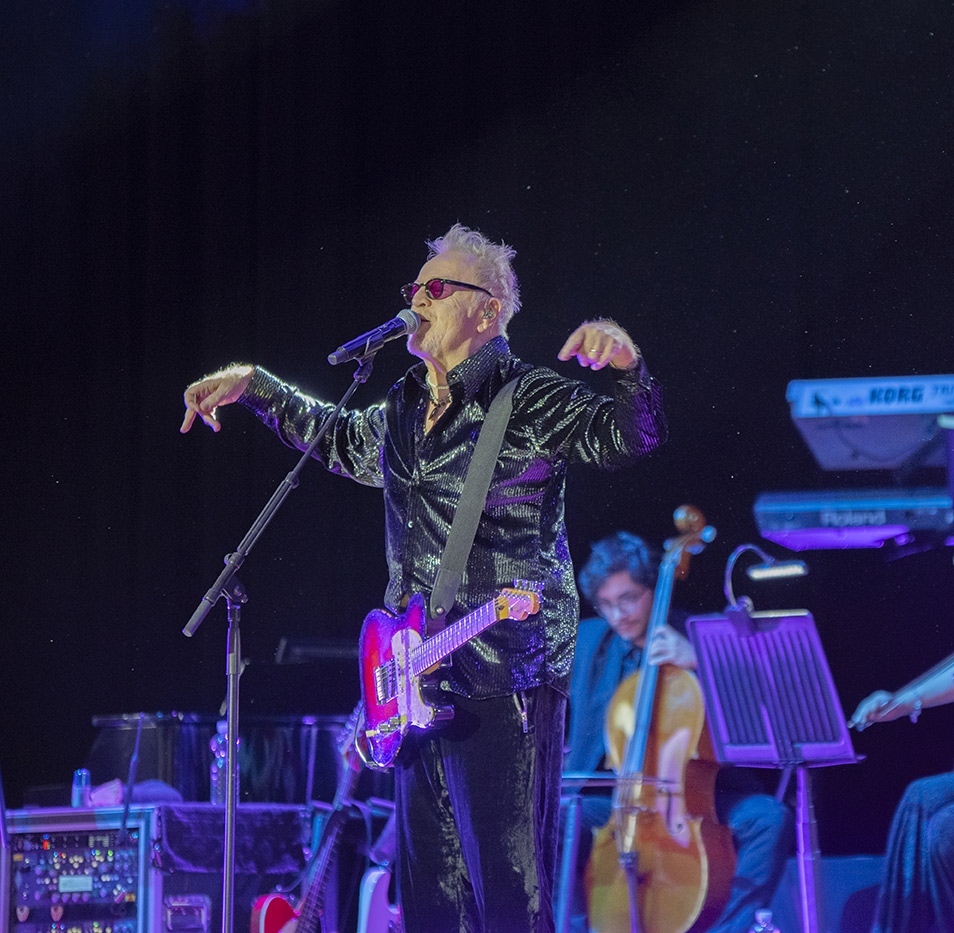
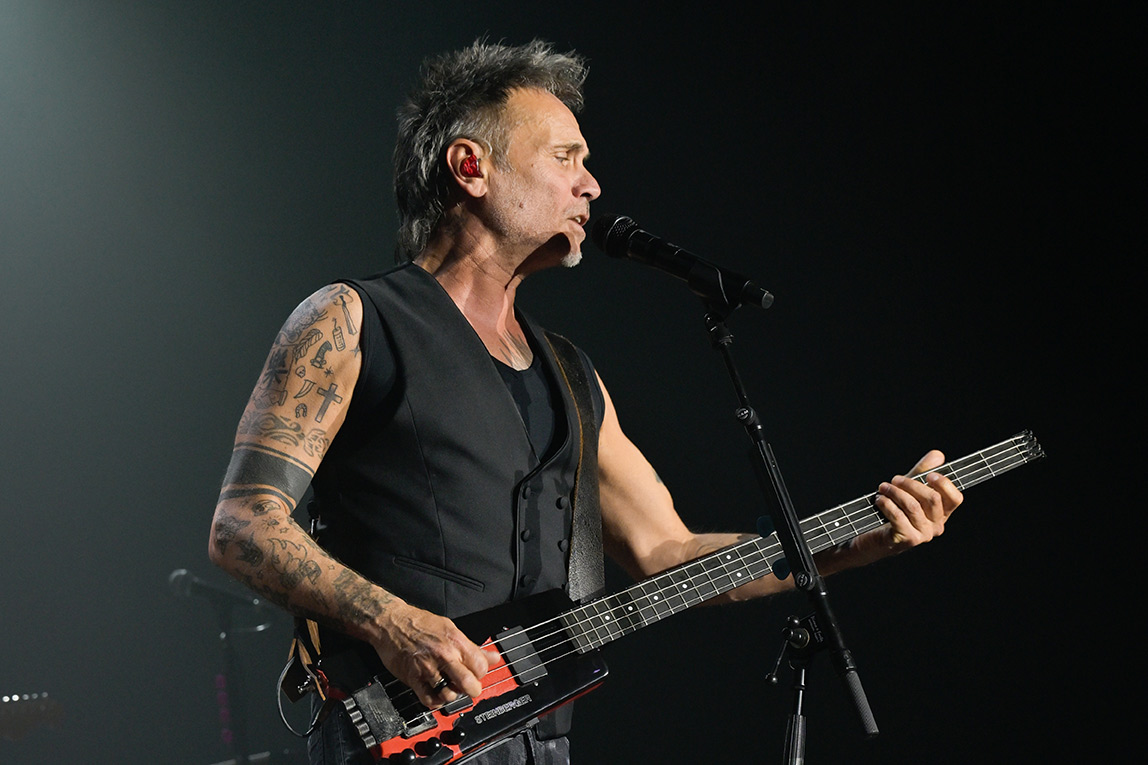
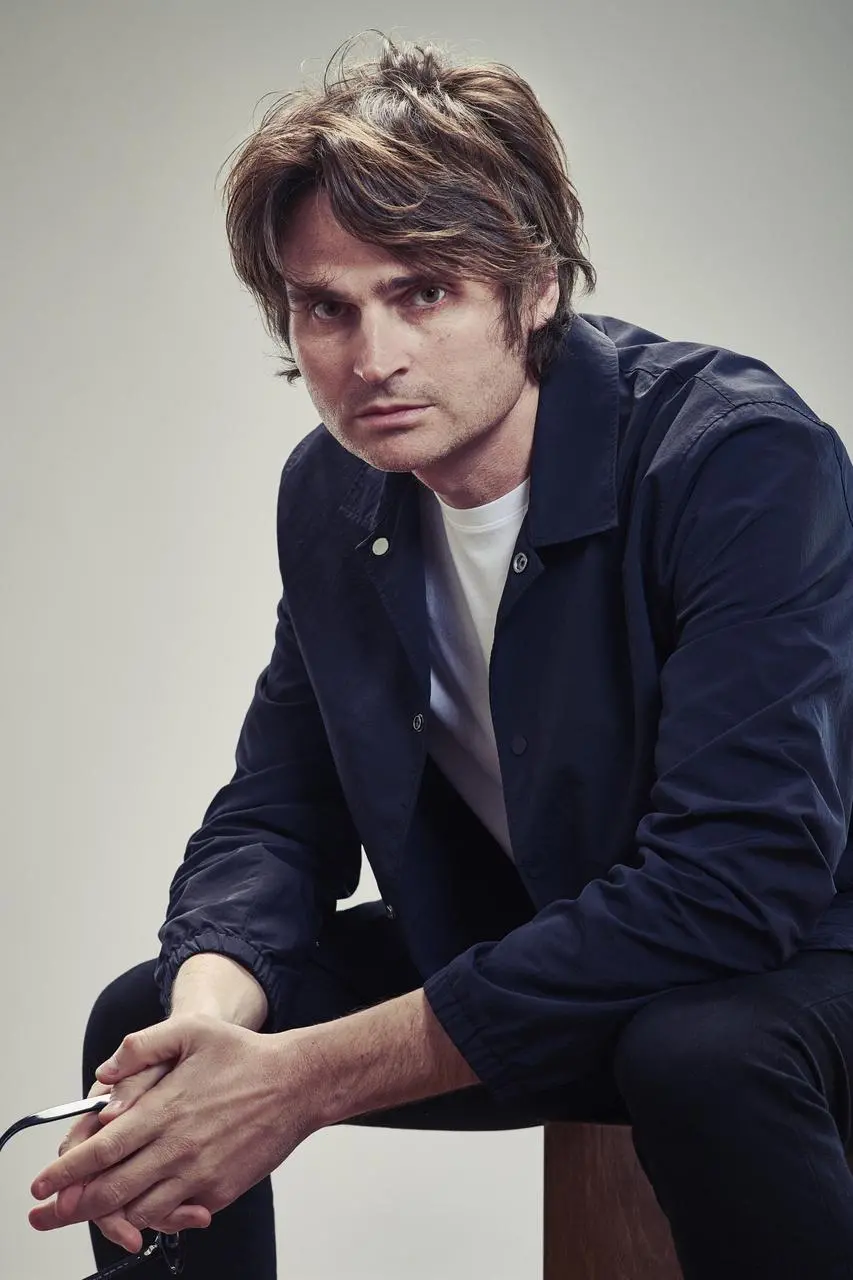
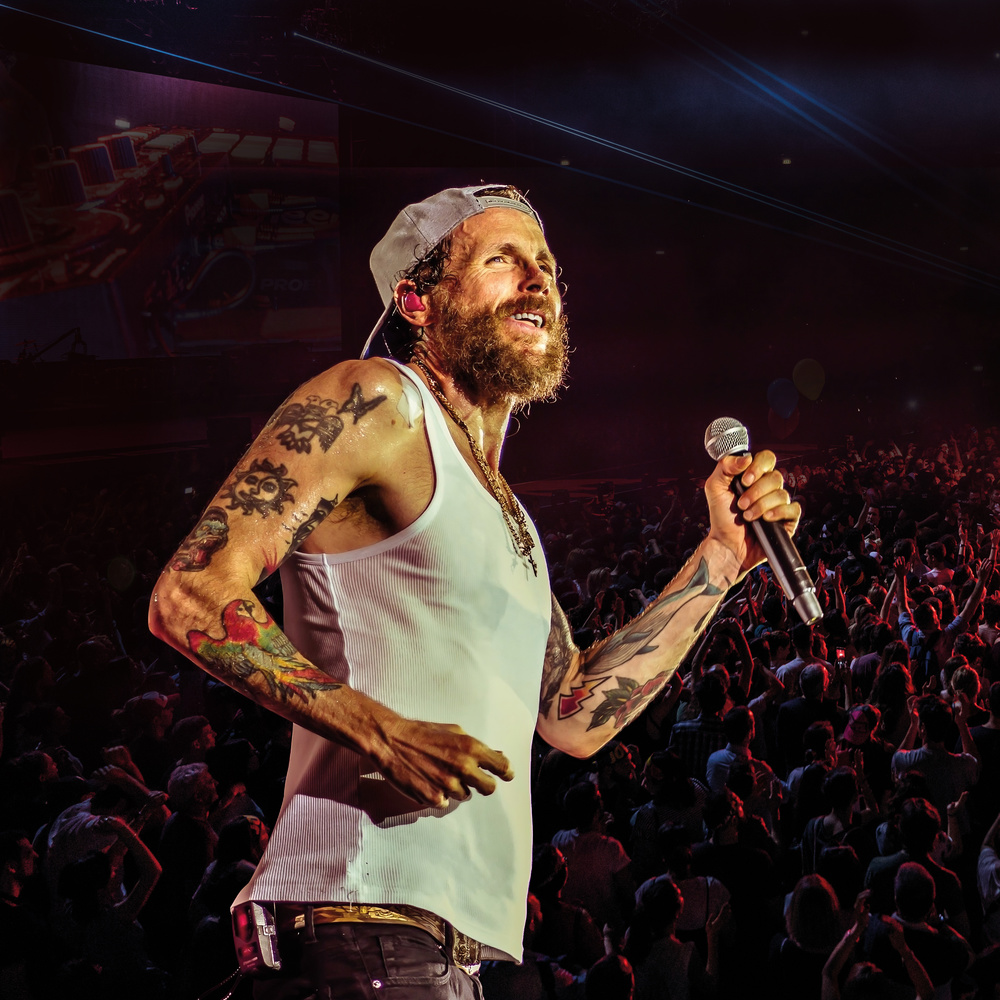
Alessandra Amoroso, Levante, the Portuguese fado singer Gisela João, Maria Mazzotta, Welo and Giulia Vecchio, the latest name added to the cast, are all expected on the Melpignano stage.
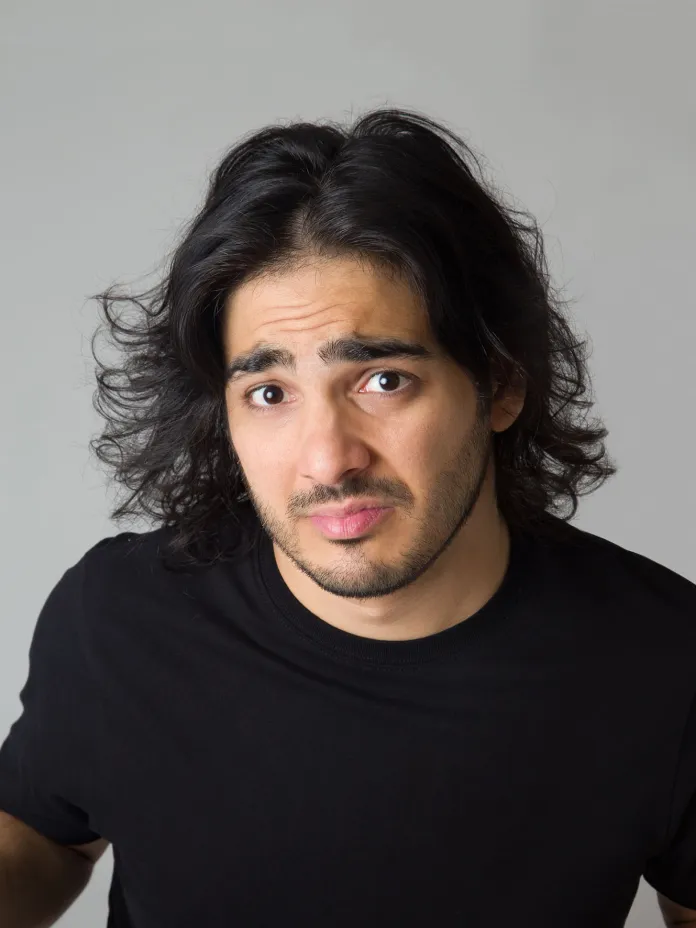
The actress and impersonator from Mesagne, in Puglia, will perform L'acqua de la funtana, a well known stornello of the Salento popular tradition. "Performing again in my own land is a joy I still cannot describe", she said, "because it feels like carrying a tiny piece of my own story, one divided between Brindisi and Capo di Leuca".
The evening will be broadcast live on Rai 3, Rai Radio2 and RaiPlay and, as a novelty this year, also on San Marino RTV. For the Italian community in Switzerland and abroad, RaiPlay remains the reference channel for following the event without border restrictions.
The Festival does not end in Melpignano: on Sunday 23 August La Notte delle Ronde takes place in the old town of Galatina.
The touring Festival is a cultural project of the Fondazione La Notte della Taranta, supported by the Puglia Region and by the Ministry of Culture, in collaboration with the Union of Municipalities of the Grecìa Salentina and the Istituto Diego Carpitella.
According to the 2025 Observatory on the cultural consumption of Italians, promoted by Confcommercio and carried out by SWG, La Notte della Taranta ranks third among Italian cultural festivals for appeal and symbolic value, after the Venice International Film Festival and the Venice Biennale. A figure that, for an event born in 1998 around the rediscovery of Salento tarantism, says a great deal about the path travelled across twenty-nine editions.







.jpeg)




.jpeg)